

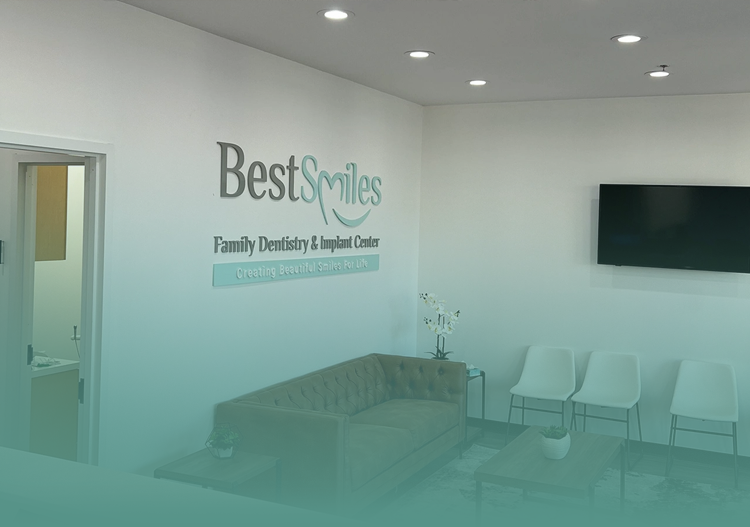
IV Sedation Dentistry in South Side, VA
Gentle, stress-free dental care for anxious patients
IV sedation, also known as "sleep dentistry" or "twilight sleep," promotes relaxation and comfort during dental procedures, ideal for those with dental anxiety or a strong gag reflex.

How Does IV Sedation Work?
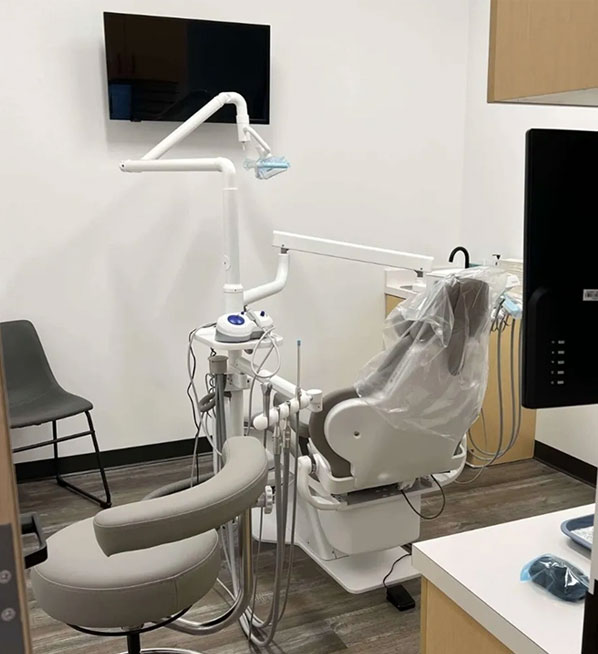
IV sedation involves administering sedative medications directly into your bloodstream through a small needle in a vein, usually in your arm or hand. The effects of IV sedation are immediate, allowing your dentist to adjust the level of sedation as needed during the procedure. This ensures you stay relaxed and pain-free while still being able to cooperate with your dentist.
During the procedure, you may experience partial or complete memory loss, causing time to seem to pass quickly and leaving you with little to no memory of the experience. For many patients, this memory loss is a significant advantage as it helps reduce the anxiety often associated with dental visits.

Who is an Ideal Candidate for IV Sedation?
IV sedation is recommended for patients who:
- Experience severe dental anxiety or phobia
- Have avoided dental visits for years due to fear
- Have a sensitive gag reflex or difficulty remaining still for long periods
- Require extensive dental work or oral surgery
- Have had traumatic dental experiences in the past
Prior to administering IV sedation, your dentist will evaluate your medical history, current medications, and overall health to confirm that this sedation method is safe and appropriate for you.

Benefits of IV Sedation Dentistry
- Deep Relaxation: IV sedation creates a profound sense of calm, effectively reducing anxiety and stress.
- Pain Management: The sedative medications used in IV sedation provide excellent pain control, ensuring a comfortable experience.
- Quick Onset: The effects of IV sedation are felt almost immediately, allowing the dentist to begin the procedure without delay.
- Controlled Sedation Levels: Your dentist can easily adjust the level of sedation throughout the procedure, ensuring optimal comfort and safety.
- Amnesia Effect: Many patients experience little to no memory of the procedure, which is especially helpful for those with severe dental anxiety.

Disadvantages and Considerations of IV Sedation
Although IV sedation offers numerous advantages, it is important to consider the following potential drawbacks:
- Cost: IV sedation is typically more costly than other sedation options due to the specialized equipment and monitoring required.
- Needle Phobia: Patients who have a fear of needles may struggle with the process of having the IV line inserted.
- Recovery Time: The effects of IV sedation can linger for several hours, necessitating arrangements for transportation and potential time off from regular activities.
- Medical Risks: While generally safe, IV sedation does carry some risks, including respiratory issues, changes in blood pressure, and the possibility of allergic reactions to the sedative medications.
- Not Suitable for Everyone: Certain medical conditions or medications may make IV sedation unsuitable for certain patients, requiring a thorough evaluation before the procedure.
Meet the team


Dr. Bharath Kumar

Dr. Sahni

Dr. Raj Devisetti

Dr. Meera Pradhan

Dr. Yara Haj








Recovery After IV Sedation
- Transportation: Make sure to arrange for a responsible adult to drive you home after your appointment, as you will be unable to drive or operate heavy machinery for at least 24 hours.
- Rest: Plan to take it easy for the remainder of the day and avoid any strenuous activities.
- Nausea: Some patients may experience mild nausea following IV sedation. If needed, your dentist can prescribe medication to help alleviate this side effect.