$99 Limited Emergencies Exam | For uninsured new patients only

How Long Can Dental Implants Last? Success Rates, Benefits, and Maintenance
Published on January 29, 2026
When people consider replacing a missing tooth, one of the first questions they ask is how long the solution will last. This concern is natural. Tooth replacement is not just about restoring a smile; it is about comfort, confidence, and long-term oral health. Many patients hear the word “permanent” and wonder what that truly means in real life.
The truth is that no dental solution is completely maintenance-free. Longevity depends on how well the treatment integrates with your body and how it is cared for over time. Lifestyle habits, oral health, and professional monitoring all play a role in long-term success.
In communities like Staples Mill, where people value reliability and practical outcomes, understanding these factors matters. This guide explains how longevity is measured, what success rates actually represent, and what you can do to protect your investment for years to come.
What Dental Implants Are Designed to Do
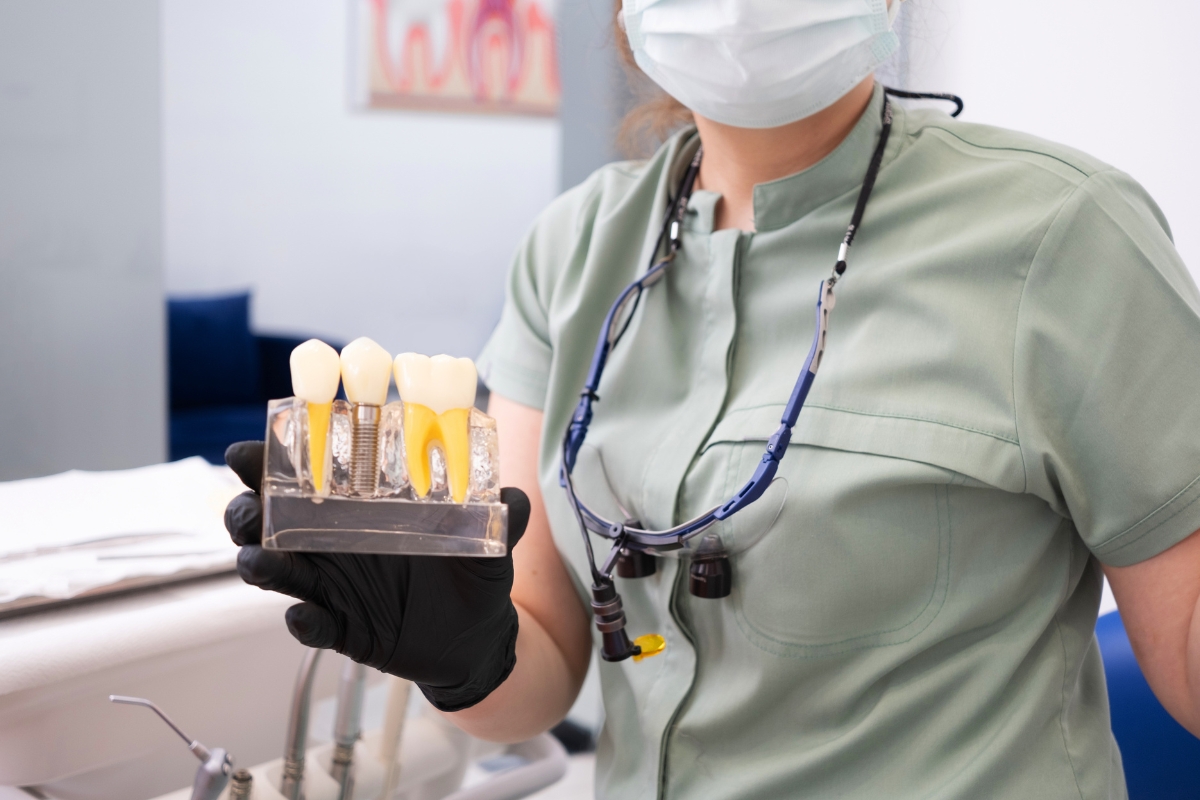
Unlike traditional options that sit on top of the gums, dental implants are designed to replace both the visible tooth and the root beneath it. The implant post is placed into the jawbone, where it acts as a stable anchor. Over time, the bone bonds with the post, creating a secure foundation for chewing and speaking.
This approach differs from bridges and removable options, which rely on neighboring teeth or surface-level support. Those alternatives can restore appearance, but they do not interact with the jawbone in the same way. Without root stimulation, bone loss may continue over time.
Because implants work from the root up, they are considered a long-term solution. They are built to handle daily functions while helping preserve surrounding bone. At Best Smiles, this root-focused design is often why patients choose implants when they want stability, comfort, and a result that feels closer to a natural tooth.
How Long Dental Implants Typically Last
The lifespan of dental implants in Staples Mill is often discussed in two parts: the implant post and the visible crown. The post, which sits in the bone, is designed to last for decades. In many cases, it remains stable for a lifetime when properly cared for.
The crown, which is the visible tooth portion, experiences daily wear from chewing and grinding. Crowns may need replacement after many years due to normal wear, even when the implant post remains strong. This does not mean failure; it simply reflects routine maintenance.
When people say implants “last a lifetime,” they usually refer to the implant post itself. With good oral hygiene, regular checkups, and healthy habits, many patients enjoy reliable function for decades without complications.
Dental Implant Success Rates Explained
Across the United States, implant procedures have consistently high success rates, often reported above 90 percent. These outcomes reflect advances in planning, materials, and clinical protocols that focus on precision and patient health.
Several factors contribute to strong success rates. Proper evaluation of bone density, gum health, and bite alignment all help reduce risk. Modern imaging allows providers to plan placement carefully, minimizing stress on surrounding structures.
Follow-up care also plays a major role. Regular monitoring helps identify small concerns before they become larger problems. Patients who attend routine visits and follow care guidance tend to experience better long-term outcomes. This combination of preparation, precision, and follow-through is what supports lasting results.
Factors That Affect the Lifespan of Dental Implants
Oral Health and Gum Stability
Healthy gums and adequate bone support are essential. Gums protect the implant site from bacteria, while bone provides structural stability. Untreated gum disease can weaken this support, increasing the risk of complications over time.
Daily Habits and Lifestyle Factors
Smoking, teeth grinding, and inconsistent oral care can place extra stress on implants. Daily brushing, flossing, and mindful habits matter more than perfection. Small, consistent efforts help protect the surrounding tissues and keep the implant stable.
Placement Technique and Treatment Planning
Accurate placement reduces unnecessary pressure on the implant and surrounding bone. Advanced imaging and careful planning help ensure proper alignment. When placement is precise, the implant integrates more smoothly and functions more efficiently long term.
Benefits of Dental Implants Over Time
One of the most noticeable benefits is stability. Implants do not shift or loosen during daily activities. This allows for confident eating and clear speech without constant adjustment.
Comfort is another advantage. Because implants integrate with the bone, they feel more natural than removable options. Many patients forget they even have one after healing is complete.
Implants also help preserve bone and facial structure. By stimulating the jawbone, they reduce the risk of the sunken appearance that can develop after tooth loss. Over time, this support helps maintain facial balance.
Perhaps most importantly, implants support confidence. Whether enjoying a meal at a local Staples Mill restaurant or speaking in a professional setting, patients often feel more at ease knowing their smile is secure.
How to Maintain Dental Implants for Long-Term Success
Daily Care at Home
Implants require the same daily care as natural teeth. Brushing twice a day and cleaning around the implant helps prevent plaque buildup. Specialized tools may be recommended to reach hard-to-clean areas.
Even though implants cannot decay, the surrounding gums can still become inflamed. Routine care protects these tissues and supports long-term stability.
Professional Maintenance and Monitoring
Regular dental visits allow professionals to monitor implant health. Early signs of inflammation or bite issues can be addressed quickly. These visits also help ensure the crown and implant remain properly aligned.
At Best Smiles, ongoing monitoring is viewed as preventive care, not just maintenance. Small adjustments can help extend the life of your restoration.
Signs an Implant May Need Attention
Some symptoms are subtle and easy to overlook. Mild gum tenderness, occasional discomfort when chewing, or changes in bite alignment can signal early concerns.
Ignoring these signs may allow minor issues to progress. Early evaluation helps protect the implant and surrounding structures. Prompt care often prevents the need for more involved treatment later.
Being attentive to changes and scheduling a checkup when something feels off supports long-term success.
Are Dental Implants Right for Long-Term Tooth Replacement?
Dental implants are often ideal for individuals who want a stable, long-lasting solution and are committed to routine care. Good overall health, healthy gums, and adequate bone support are important considerations.
Candidacy is determined through evaluation, not assumptions. Each patient’s oral health history, lifestyle, and goals are unique. A personalized assessment helps ensure the treatment aligns with long-term expectations.
For many patients in the Staples Mill area, implants offer a balance of function, comfort, and reliability when long-term tooth replacement is the goal.
Longevity is not just about materials; it is about care, planning, and consistency. With proper habits and professional support, dental implants in Staples Mill can provide decades of reliable function and confidence.
Preventive care, routine monitoring, and attention to small changes all play a role in protecting your results. Making informed decisions and staying proactive helps ensure long-term success.
If you’re considering tooth replacement and want guidance tailored to your needs, the experienced team at Best Smiles is here to help. A thoughtful consultation with our dental professionals can help you plan for a healthier, more confident smile for years to come.
Schedule an appointment today to explore your tooth replacement options and take the first step toward restoring your smile.
Ask Anything about Dental Implants
Is early evaluation important if something feels off?
Yes. Early assessment often allows simple solutions and helps prevent complications that could affect long-term stability.
Can implants feel completely natural?
Most patients report that implants feel very similar to natural teeth once healing is complete, especially during chewing and speaking.
How does oral hygiene affect long-term outcomes?
Consistent hygiene protects gum tissue and bone support. Small daily habits play a major role in preserving implant health over time.
Is follow-up care really necessary if everything feels fine?
Yes. Some problems develop quietly. Regular visits help identify early changes that patients may not notice on their own.
Can implants support normal eating?
Yes. Once healed, implants allow patients to eat comfortably without shifting or slipping, supporting a wide range of foods.
