
Published on February 3, 2026
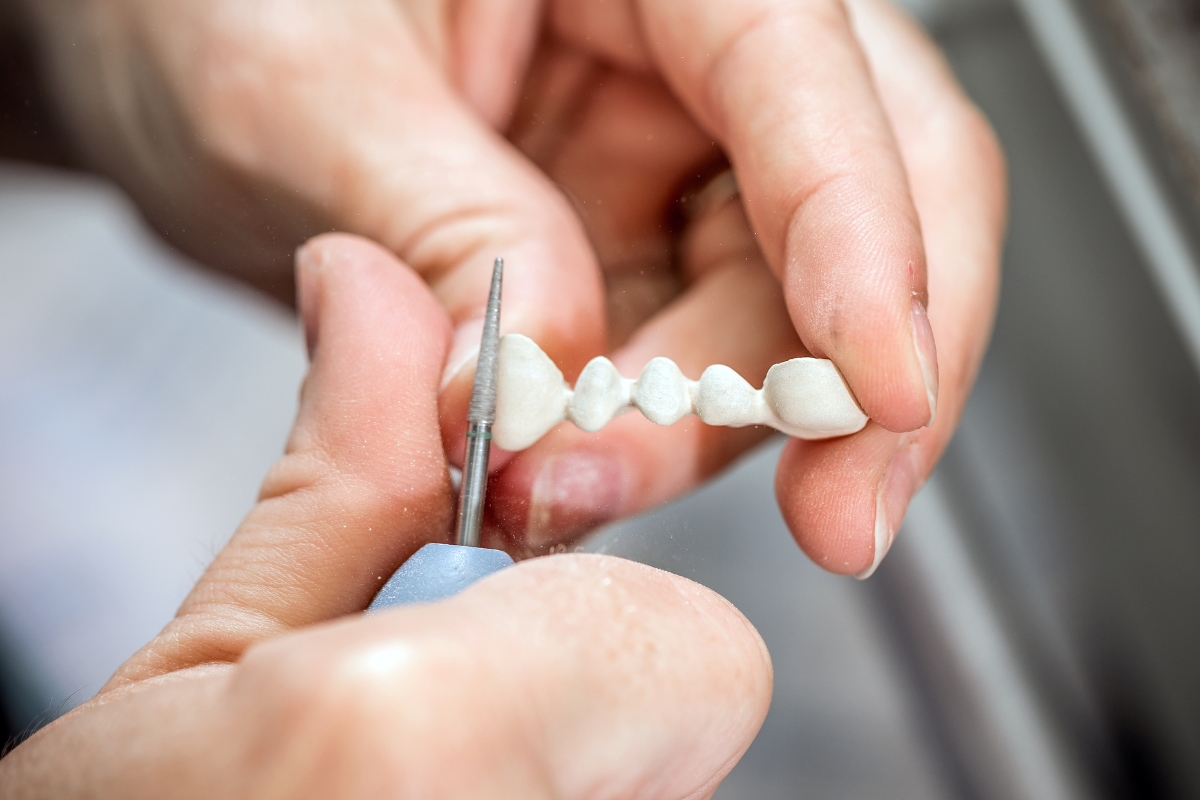
A damaged or weakened tooth doesn’t always mean it has to be removed. Modern dentistry focuses on preserving as much of your natural tooth structure as possible, and dental crowns are one of the most reliable ways to restore strength, function, and appearance.
But many patients ask an important question: How much of the original tooth must remain for a crown to work? Understanding this can help you make informed decisions about your oral health and know when to seek treatment early.
If you live around North Side Richmond, knowing your options and acting quickly can often mean the difference between saving a tooth and needing more complex procedures.
What Is a Dental Crown?
A dental crown is a custom-made cap that covers a damaged tooth to restore its:
- Shape and size
- Strength and durability
- Appearance
- Function while chewing
Crowns are commonly recommended for teeth that are cracked, severely decayed, weakened after a root canal, or heavily filled. The goal is always preservation — protecting what remains of your natural tooth.
Many patients exploring Dental Crowns North Side Richmond treatment options often want to know whether their tooth is still strong enough to support a crown. The answer depends on several key factors.
How Much Tooth Structure Is Needed for a Crown?
There’s no fixed percentage of tooth structure required, but dentists generally prefer to preserve enough healthy tooth above the gum line to securely support the crown.
Minimum Requirement: Healthy Tooth Base
For a crown to work successfully, your dentist needs:
- A stable tooth root
- Adequate tooth structure above the gum
- Healthy surrounding bone and gums
- No uncontrolled infection
Even if a large portion of the tooth is damaged, modern techniques can often rebuild the structure.
Why Tooth Preservation Matters
Saving natural tooth structure helps:
- Improve crown stability
- Reduce risk of crown failure
- Maintain natural bite alignment
- Protect surrounding teeth
- Increase long-term success
The more natural tooth your dentist can preserve, the better the outcome.
When There Isn’t Enough Tooth Left
Sometimes a tooth is too damaged due to decay, trauma, or fracture. Fortunately, several treatments can help make a crown possible.
1. Core Build-Up
If much of the tooth is missing, your dentist may rebuild it using filling material to create a strong base for the crown.
Best for:
- Large cavities
- Broken teeth
- Teeth weakened by old fillings
2. Post and Core Treatment
For teeth that have had root canal treatment, a small post may be placed inside the root to support the rebuilt tooth structure.
Helps when:
- Very little tooth remains
- Extra reinforcement is needed
3. Crown Lengthening
This minor procedure reshapes gum tissue or bone to expose more of the natural tooth surface.
Recommended when:
- Tooth structure is hidden below the gum line
- Better crown retention is needed
4. Tooth Extraction (Last Resort)
If the root or remaining tooth is too weak, removal may be necessary. In such cases, replacement options like dental implants or bridges are discussed.
Early treatment often prevents reaching this stage.
Signs You May Need a Crown
If you notice any of the following symptoms, a crown may help protect your tooth:
- Severe tooth decay
- Large or failing fillings
- Cracked or chipped teeth
- Tooth pain while chewing
- Sensitivity to hot or cold
- Worn-down teeth from grinding
Residents in North Side Richmond often seek early treatment to avoid more invasive procedures later.
How Dentists Evaluate Tooth Preservation
Before recommending a crown, your dentist performs a detailed examination that includes:
Visual Examination
Checking cracks, decay, and remaining tooth structure.
Digital X-rays
Evaluating root health and bone support.
Bite Assessment
Ensuring the tooth can withstand chewing pressure.
Gum Health Check
Healthy gums are essential for long-term crown success.
This careful approach ensures the treatment is both safe and effective.
Benefits of Preserving Natural Teeth
Keeping your natural tooth whenever possible provides several advantages:
- Maintains natural chewing ability
- Preserves jawbone health
- Prevents shifting of nearby teeth
- Offers better long-term oral health
- Reduces need for complex treatments
This is why dentists prioritize conservation over replacement whenever possible.
Why Early Treatment Matters
Many patients delay dental visits because the pain feels manageable. However, waiting can lead to:
- More tooth structure loss
- Higher treatment costs
- Increased risk of infection
- Possible tooth extraction
Timely care allows dentists to preserve more of your natural tooth and simplifies the treatment process.
Local Considerations for North Side Richmond Patients
Living in North Side Richmond means access to modern dental care and advanced restorative treatments. Local families often prioritize:
- Preventive dental visits
- Family-friendly dental care
- Emergency tooth repair
- Long-lasting restorative solutions
Whether you’re dealing with sudden tooth damage or long-term wear, local practices focus on conservative treatments that protect your natural smile.
Regular checkups, especially for busy families and working professionals in Richmond’s North Side community, help detect problems before major damage occurs.
What to Expect During the Crown Procedure
Understanding the process can make treatment more comfortable.
Step-by-Step Process
- Examination and preparation — Damaged areas are removed while preserving healthy structure.
- Tooth shaping — The tooth is prepared for crown placement.
- Impressions taken — Custom crown design ensures proper fit.
- Temporary crown placed — Protects the tooth while permanent crown is created.
- Final placement — Permanent crown is secured and adjusted.
Most procedures require two visits and provide long-lasting results.
Tips to Protect Your Crown and Natural Tooth
After treatment, proper care helps extend the life of your crown.
- Brush twice daily
- Floss around the crown carefully
- Avoid chewing hard objects
- Wear a night guard if you grind teeth
- Schedule routine dental checkups
- Address discomfort immediately
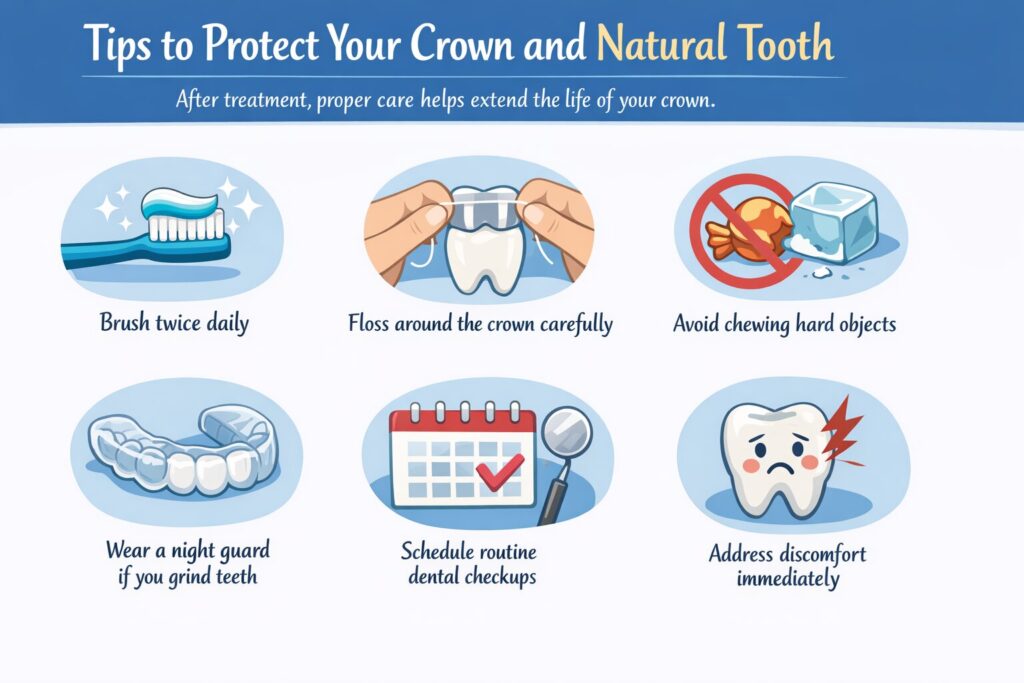
Simple habits can help your crown last many years.
Common Questions Patients Ask
How damaged can a tooth be and still get a crown?
Even severely damaged teeth can often be restored if the root is healthy and enough structure can be rebuilt.
Can a crown be placed if only the root remains?
Yes, in many cases a post and core build-up can support a crown if the root is strong.
Is getting a crown painful?
The procedure is typically comfortable with local anesthesia, and recovery is usually mild
How long do dental crowns last?
With proper care, crowns can last 10–15 years or longer.
What happens if I delay treatment?
Delays may lead to further damage, infection, or possible tooth loss.
Conclusion: Protect Your Smile with Early Care
Preserving your natural tooth is always the goal of modern dentistry. Even when a tooth is badly damaged, today’s techniques often make it possible to rebuild and protect it with a crown. The key is early evaluation and timely treatment.
If you’re experiencing tooth damage, sensitivity, or discomfort, the team at Best Smiles North Side Richmond provides personalized restorative solutions designed to preserve your natural teeth and restore confidence in your smile. Schedule an appointment today to learn more about your treatment options and take the next step toward lasting oral health.
