
Published on February 8, 2026
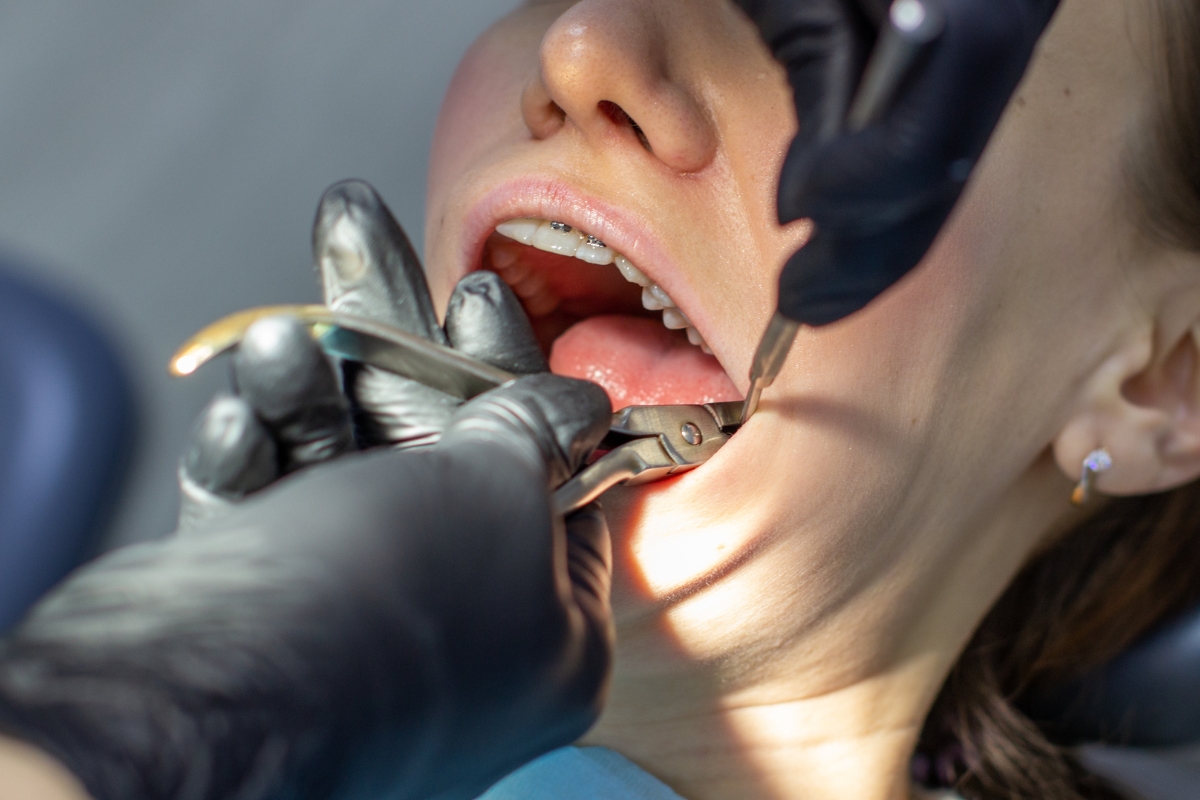
Facing a tooth extraction can feel a bit overwhelming, especially if it’s your first time. Many patients worry about pain, recovery time, or what happens during the procedure. The good news is that modern dental techniques make the process safe, comfortable, and predictable. With the right preparation and aftercare, healing can be smooth and stress-free.
Whether your dentist recommends removal due to severe decay, infection, or crowding, understanding the process helps you feel more confident. If you’re considering Tooth Extraction Chester, knowing what to expect before, during, and after treatment can make your experience much easier.
This guide walks you through each step and shares practical recovery tips to help you heal quickly and comfortably.
Why a Tooth Extraction May Be Needed
Dentists always try to save natural teeth whenever possible. However, removal may be the best option in certain situations, such as:
- Severe tooth decay or damage beyond repair
- Advanced gum disease affecting tooth stability
- Impacted wisdom teeth
- Overcrowding before orthodontic treatment
- Dental infections that threaten surrounding teeth
- Broken teeth that cannot be restored
Your dentist will explain the reason clearly and recommend the best treatment plan for your oral health.
Preparing for Your Appointment
A little preparation can make your visit smoother and help reduce anxiety.
What your dentist will do
Before the procedure, your dentist will:
- Review your medical history
- Take dental X-rays
- Discuss anesthesia options
- Explain the procedure step by step
- Provide pre-treatment instructions
How you can prepare
Here are a few simple steps to follow:
- Eat a light meal unless advised otherwise
- Arrange transportation if sedation is planned
- Wear comfortable clothing
- Inform your dentist about medications or health conditions
- Ask questions about recovery and aftercare
Local patients seeking Tooth Extraction Chester often appreciate clinics that offer personalized consultations and clear guidance before treatment.
What Happens During the Procedure
Knowing what happens in the dental chair helps reduce fear and uncertainty.
Step 1: Numbing the area
Your dentist applies local anesthesia to numb the treatment area. You may feel slight pressure, but not pain.
Step 2: Loosening the tooth
Special dental instruments gently loosen the tooth from its socket.
Step 3: Removing the tooth
The tooth is carefully removed. If the tooth is impacted, a small incision may be required.
Step 4: Cleaning and protection
The area is cleaned, and gauze is placed to control bleeding and help a clot form.
The entire process usually takes 20–40 minutes, depending on complexity.
Does Tooth Extraction Hurt?
This is one of the most common concerns. During the procedure, anesthesia prevents pain. Afterward, mild discomfort or swelling is normal for a few days and can be managed with:
- Prescribed or over-the-counter pain relief
- Cold compresses
- Proper rest
- Following aftercare instructions
Most patients return to normal routines within a few days.
Tips for a Smooth Recovery
Healing depends largely on how well you follow post-treatment care. These simple habits can speed up recovery and prevent complications.
First 24 hours
- Bite gently on gauze to stop bleeding
- Avoid rinsing or spitting forcefully
- Rest and avoid physical activity
- Use an ice pack to reduce swelling
Eating and drinking
Stick to soft foods like:
- Yogurt
- Soup (lukewarm)
- Mashed potatoes
- Smoothies
- Scrambled eggs
Avoid hot, spicy, or crunchy foods for a few days.
Oral care
- Brush carefully around the extraction site
- Avoid using straws
- Follow your dentist’s cleaning instructions
- Do not smoke or consume alcohol during healing
Patients undergoing Tooth Extraction Chester are typically provided detailed aftercare guidance to ensure proper healing and comfort.
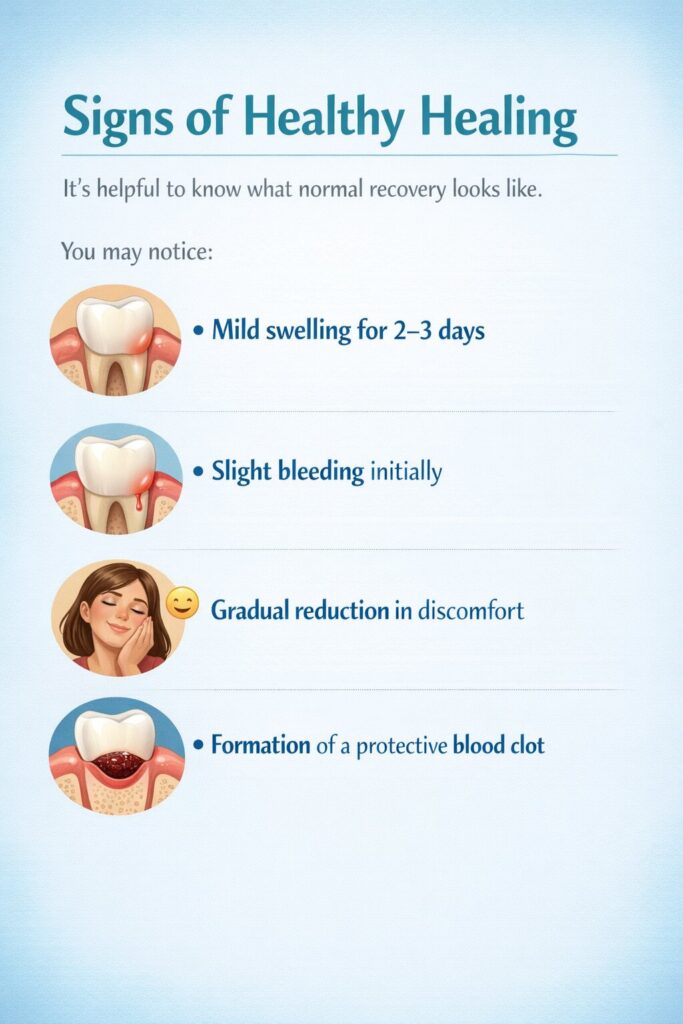
Signs of Healthy Healing
It’s helpful to know what normal recovery looks like.
You may notice:
- Mild swelling for 2–3 days
- Slight bleeding initially
- Gradual reduction in discomfort
- Formation of a protective blood clot
Contact your dentist if you experience severe pain, prolonged bleeding, fever, or swelling that worsens.
Local Care and Comfort for Chester Residents
Living in Chester offers access to reliable dental care and supportive healthcare services. Many local practices focus on:
- Gentle treatment approaches for nervous patients
- Same-day emergency dental care
- Easy appointment scheduling for busy families
- Clear aftercare instructions tailored to lifestyle needs
Chester residents also benefit from nearby pharmacies and healthcare centers, making it convenient to access prescribed medications and follow-up care quickly.
How to Reduce Anxiety Before Treatment
Dental anxiety is common, but a few strategies can help:
- Discuss concerns openly with your dentist
- Practice deep breathing techniques
- Listen to calming music during treatment
- Choose a clinic known for patient comfort
- Bring a friend or family member for support
A caring dental team makes a significant difference in your overall experience.
Long-Term Oral Health After Extraction
After healing, your dentist may suggest replacement options to maintain function and appearance, such as:
- Dental implants
- Bridges
- Partial dentures
Replacing a missing tooth helps maintain bite alignment, prevents bone loss, and supports overall oral health.
Regular dental checkups, good oral hygiene, and professional cleanings will help protect your smile long term.
Common Patient Questions
How long does recovery take?
Most people recover within 3–7 days, though complete healing may take a few weeks.
When can I return to work?
Many patients resume normal activities within 24–48 hours, depending on the procedure.
Can I drive after the extraction?
If you receive only local anesthesia, you can usually drive. Sedation may require arranging transportation.
What is dry socket and how can I prevent it?
Dry socket occurs when the protective blood clot is dislodged. Avoid smoking, using straws, or vigorous rinsing to reduce risk.
When should I contact my dentist after treatment?
Reach out if you experience severe pain, excessive swelling, or unusual symptoms during recovery.
Conclusion: Take the Next Step Toward a Healthier Smile
Tooth extraction is a common dental procedure designed to protect your overall oral health. With proper preparation, gentle care, and the right recovery habits, the process can be straightforward and comfortable. Understanding each step helps you feel confident and ensures faster healing.
If you’re experiencing tooth pain or have been advised to remove a damaged tooth, professional care makes all the difference. The team at Best Smiles Chester provides patient-focused treatment, clear guidance, and compassionate support throughout your dental journey. Contact Best Smiles Dentist today to schedule an appointment and take the next step toward a healthier, pain-free smile.
