
Published on March 6, 2026
A sudden toothache can ruin your entire day. One moment you’re enjoying lunch, the next you’re dealing with sharp pain every time you bite or sip something cold. Many people ignore these early warning signs, hoping the discomfort will fade on its own. Unfortunately, dental infections and cracked teeth rarely fix themselves.
When the inner part of a tooth becomes inflamed or infected, timely treatment is critical. Without care, the pain can worsen and the infection may spread to nearby tissues. In many cases, saving the natural tooth requires a root canal procedure.
If you live around Richmond’s busy Staples Mill area—where daily routines include commuting, school runs, and family life—dealing with dental pain can quickly disrupt everything. Understanding when treatment is necessary can help you act before the problem becomes more serious.
For patients searching for Root Canals Staples Mill, knowing the symptoms and causes can help you make informed decisions about your dental health.
Understanding What a Root Canal Treats
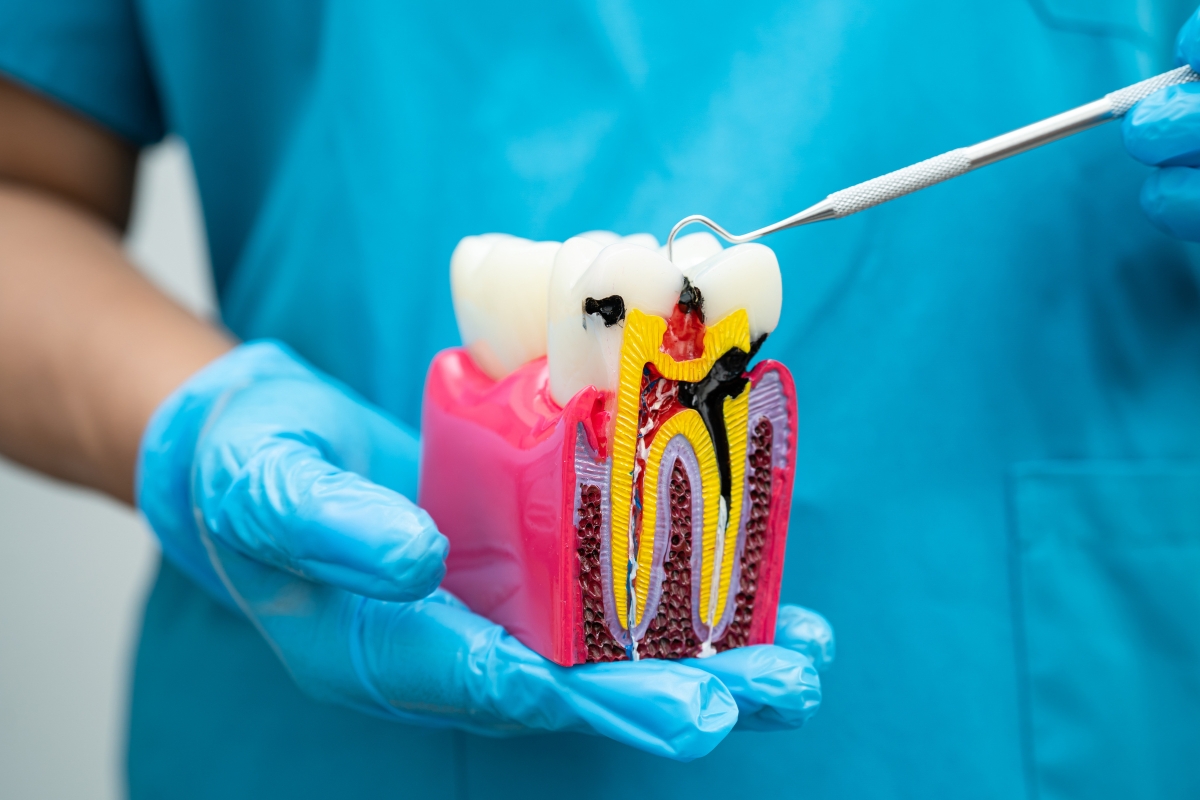
Inside every tooth is a soft tissue called the pulp. This pulp contains nerves, blood vessels, and connective tissue that keep the tooth alive during its development.
When the pulp becomes infected or damaged, it cannot heal on its own. A root canal treatment removes the infected tissue, cleans the inside of the tooth, and seals it to prevent further infection. The natural tooth structure is preserved, allowing you to chew normally again.
Contrary to common myths, modern root canal procedures are comfortable and often feel similar to getting a routine filling.
Common Causes of Tooth Pulp Damage
Several dental problems can reach the pulp and lead to infection. Some develop slowly, while others happen suddenly.
1. Deep Tooth Decay
Untreated cavities can penetrate the enamel and dentin layers. When bacteria reach the pulp, infection begins.
2. Cracked or Fractured Teeth
A crack in the tooth allows bacteria to enter the inner structure. Sometimes the damage is invisible but still causes significant pain.
3. Trauma or Injury
A sports injury, accident, or hard bite can damage the pulp even if the tooth appears intact.
4. Repeated Dental Procedures
Multiple restorations on the same tooth may weaken the structure and irritate the pulp over time.
Signs You Might Need a Root Canal
Your body often provides clear signals when something is wrong. If you experience any of the following symptoms, it’s time to see a dentist.
Persistent Tooth Pain
Pain that lingers or worsens when chewing is a common sign of pulp inflammation.
Sensitivity to Hot or Cold
If the sensation remains long after the temperature stimulus is gone, the pulp may be infected.
Swollen or Tender Gums
Inflammation around a tooth can indicate infection spreading from inside the root.
Tooth Discoloration
A tooth that turns gray or dark may have damaged internal tissue.
Small Pimple on the Gum
Sometimes an abscess forms and drains through a small bump on the gum.
Residents looking for Root Canals Staples Mill often notice one or more of these symptoms before seeking treatment.
Why You Shouldn’t Delay Treatment
Waiting too long can turn a manageable dental issue into a more complex problem. Early treatment helps prevent complications such as:
- Severe tooth pain
- Bone loss around the tooth
- Spread of infection
- Tooth extraction
- More expensive procedures later
Saving your natural tooth is always the best outcome when possible. A root canal allows that to happen while removing the source of infection.
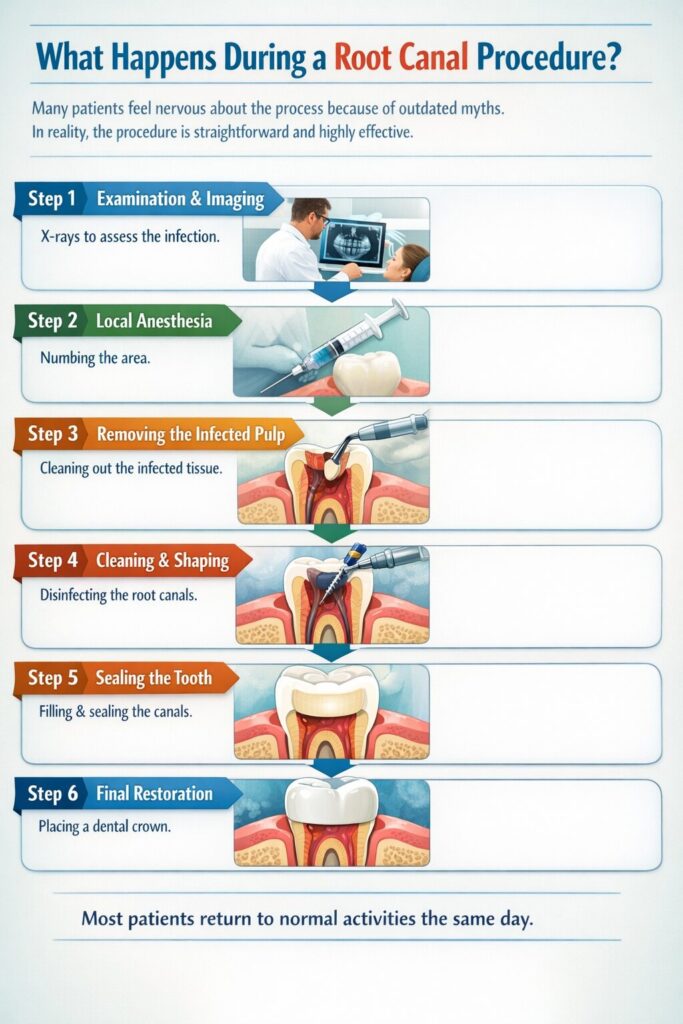
What Happens During a Root Canal Procedure?
Many patients feel nervous about the process because of outdated myths. In reality, the procedure is straightforward and highly effective.
Step 1: Examination and Imaging
Your dentist examines the tooth and takes X-rays to determine the extent of infection.
Step 2: Local Anesthesia
The area is numbed so you remain comfortable throughout the procedure.
Step 3: Removing the Infected Pulp
A small opening is created in the tooth, allowing the dentist to remove the infected pulp tissue.
Step 4: Cleaning and Shaping
The inside of the root canals is carefully cleaned and disinfected.
Step 5: Sealing the Tooth
The canals are filled and sealed to prevent bacteria from returning.
Step 6: Final Restoration
A dental crown is often placed to strengthen and protect the treated tooth.
Most patients return to normal activities the same day.
Life Around Staples Mill: Why Local Dental Care Matters
Staples Mill Road is one of the busiest corridors in the Richmond area. With nearby neighborhoods, schools, shopping centers, and commuter traffic heading toward downtown, convenience matters when scheduling healthcare.
Local dental practices help residents manage their oral health without long travel times. Whether you’re heading home from work, dropping kids off at school, or running errands near the Staples Mill Plaza, having access to quality dental care nearby makes a big difference.
Many people searching online for Root Canals Staples Mill are simply looking for reliable treatment close to home.
Tips to Prevent Tooth Infections
While not every dental problem can be prevented, healthy habits significantly reduce the risk.
Protect your teeth by following these simple steps:
- Brush twice daily with fluoride toothpaste
- Floss every day to remove plaque between teeth
- Schedule regular dental checkups
- Wear a mouthguard during sports
- Avoid chewing ice or very hard foods
- Treat cavities early before they worsen
Preventive care is always easier and more affordable than treating advanced infections.
Common Questions Patients Ask
Is a root canal painful?
Modern dental techniques and anesthesia make the procedure comfortable. Most patients feel relief from pain once the infection is removed.
How long does recovery take?
Mild sensitivity may last a few days, but most people resume normal activities within 24 hours.
Can a root canal fail?
Root canal treatments have a high success rate. With proper restoration and oral hygiene, the tooth can last many years.
Is extraction better than a root canal?
Saving your natural tooth is usually the preferred option. Extraction may lead to additional treatments like implants or bridges.
How do I know if the pain is serious?
If pain lasts more than a day or two, or if you notice swelling, sensitivity, or discoloration, schedule a dental visit promptly.
Taking the Next Step for Your Dental Health
Ignoring tooth pain rarely makes it disappear. In many cases, early treatment can save your natural tooth and prevent more serious complications. If you notice symptoms like persistent pain, swelling, or sensitivity, it’s important to seek professional care as soon as possible.
For patients in the Richmond area, Best Smiles South Side provides experienced and compassionate dental care tailored to the needs of the local community. Their team focuses on comfortable treatment and clear guidance so you can feel confident about your oral health decisions.
Book your appointment today and take the first step toward a healthier, pain-free smile.
