$99 Limited Emergencies Exam | For uninsured new patients only

Choosing Between Dental Implants and Bridges: What You Need to Know
Published on March 25, 2026
When a tooth is lost, it can feel like more than just a gap in your smile. It can affect how you eat, speak, and even how you feel about yourself. In many ways, your teeth work together like a close-knit community—each one supporting the others. When one is missing, balance is disrupted.
If you’re exploring options to restore that balance, you’re likely considering dental implants or bridges. Both are trusted solutions, but the right choice depends on your needs, lifestyle, and long-term goals.
After the first consultation, many patients looking into Dental Implants South Richmond often ask the same question: “Which option will truly last and feel natural?” Let’s walk through both paths together so you can make a confident, informed decision.
Understanding the Two Options
What Is a Dental Implant?
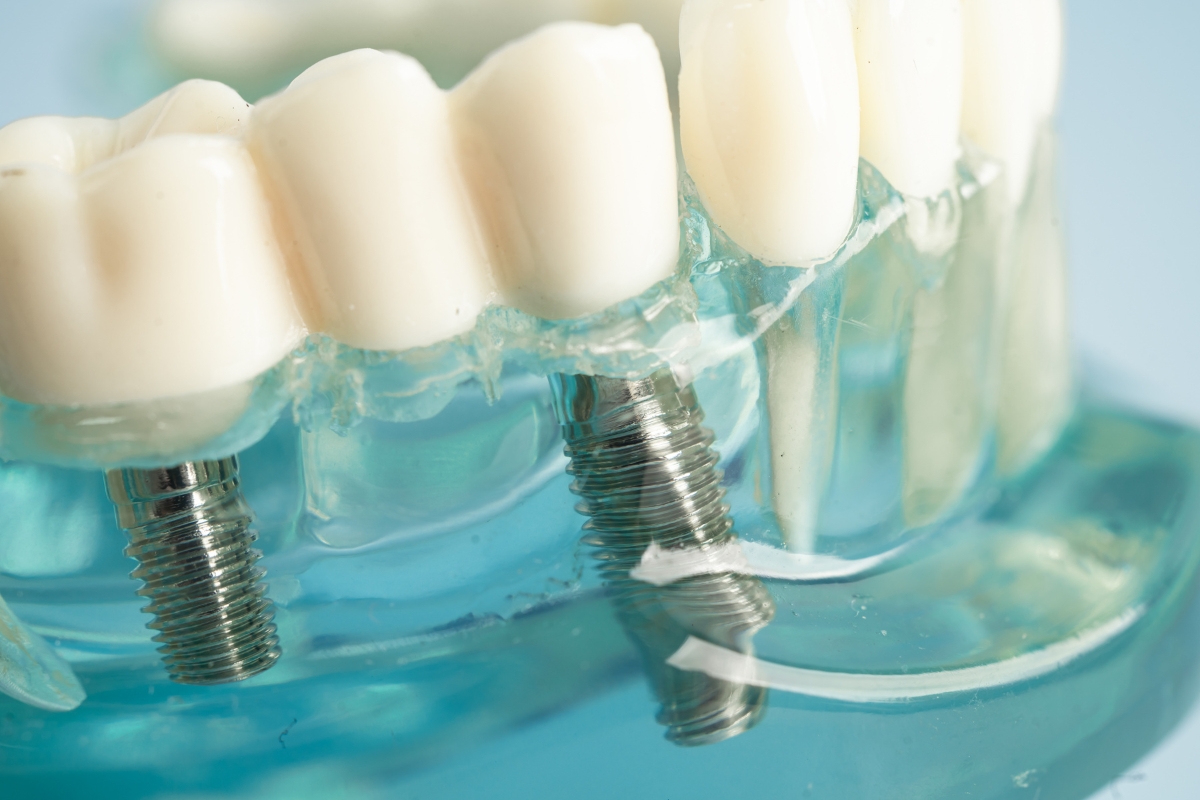
A dental implant is a small titanium post placed into the jawbone. It acts like a natural tooth root and supports a custom-made crown.
Key features:
- Feels and functions like a real tooth
- Helps preserve jawbone health
- Designed for long-term durability
What Is a Dental Bridge?
A dental bridge fills the gap by anchoring an artificial tooth to the neighboring teeth.
Key features:
- Faster process compared to implants
- Does not require surgery
- Relies on surrounding teeth for support
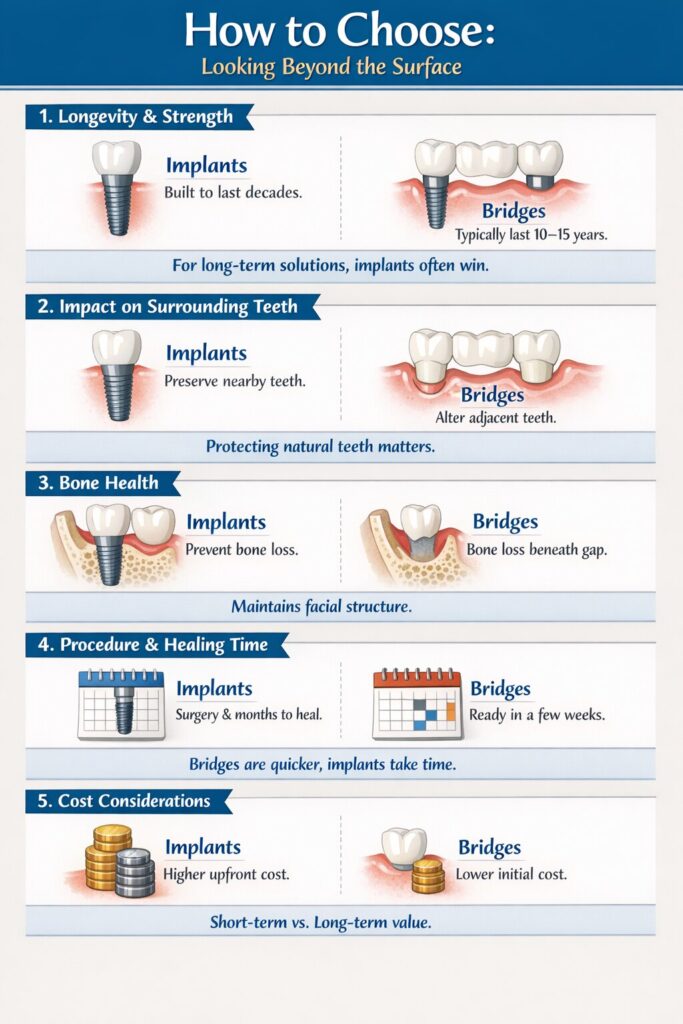
How to Choose: Looking Beyond the Surface
Choosing between these two options is not just about replacing a tooth—it’s about restoring harmony in your mouth.
1. Longevity and Strength
- Implants: Built to last decades with proper care
- Bridges: Typically last 10–15 years
If you’re thinking long-term, implants often provide a more permanent solution.
2. Impact on Surrounding Teeth
- Implants: Stand independently without affecting nearby teeth
- Bridges: Require adjacent teeth to be reshaped
Preserving natural teeth is often a priority for many patients.
3. Bone Health
- Implants: Stimulate the jawbone and prevent bone loss
- Bridges: Do not address bone loss beneath the missing tooth
This is especially important for maintaining facial structure over time.
4. Procedure and Healing Time
- Implants: Require surgery and healing (a few months)
- Bridges: Usually completed within a few weeks
If time is a concern, bridges may seem more convenient initially.
5. Cost Considerations
- Implants: Higher upfront cost but longer lifespan
- Bridges: Lower initial cost but may need replacement
Think of this as an investment—short-term savings vs long-term value.
A Local Perspective: South Richmond Patients
In South Richmond, many patients balance busy schedules, family responsibilities, and long-term health goals. For those who want a “set it and forget it” solution, implants often feel like the better fit.
However, bridges remain a practical choice for:
- Patients needing a quicker solution
- Those not eligible for surgery
- Situations where surrounding teeth already need crowns
Your daily habits—like diet, oral hygiene, and even stress—can influence which option works best for you.
When Dental Implants May Be the Better Choice
You may benefit more from implants if:
- You want a long-term, low-maintenance solution
- Your jawbone is healthy enough to support the implant
- You prefer a natural look and feel
- You want to avoid altering nearby teeth
Patients researching Dental Implants South Richmond often choose this route for its durability and natural function.
When a Bridge Might Be Right for You
A dental bridge could be a better option if:
- You need a faster restoration
- You prefer a non-surgical approach
- Your surrounding teeth already require crowns
- Budget is a primary concern
Questions Patients Often Ask
Is the implant procedure painful?
Most patients report minimal discomfort. Local anesthesia and modern techniques make the process manageable.
How long does an implant last?
With proper care, implants can last 20 years or more—often a lifetime.
Do bridges look natural?
Yes, modern bridges are designed to blend seamlessly with your smile.
Can anyone get dental implants?
Not everyone is an immediate candidate. Bone density and overall health play a role, but options like bone grafting may help.
Which option requires more maintenance?
Both require good oral hygiene, but implants are generally easier to maintain since they function like natural teeth.
A Balanced Approach to Your Smile
Think of your smile as a living system—one that thrives on care, balance, and thoughtful decisions. Whether you choose an implant or a bridge, the goal is the same: restoring comfort, function, and confidence.
For many, the journey begins with understanding their options and asking the right questions. If you’re still unsure, a personalized consultation can bring clarity.
Conclusion: Your Next Step Toward a Healthier Smile
Choosing between dental implants and bridges is a deeply personal decision—one that should reflect both your current needs and your long-term oral health goals. While both options can beautifully restore your smile, the best choice is the one that supports your comfort, confidence, and overall well-being.
At Best Smiles South Richmond, we’re here to guide you through that decision with clarity, compassion, and expert care. If you’re exploring your options, this is a great time to move forward with confidence.
Schedule your appointment today and take the next step toward a healthier, lasting smile.
