$99 Limited Emergencies Exam | For uninsured new patients only

Do You Have These 5 Signs You Need a Root Canal
Published on October 12, 2026
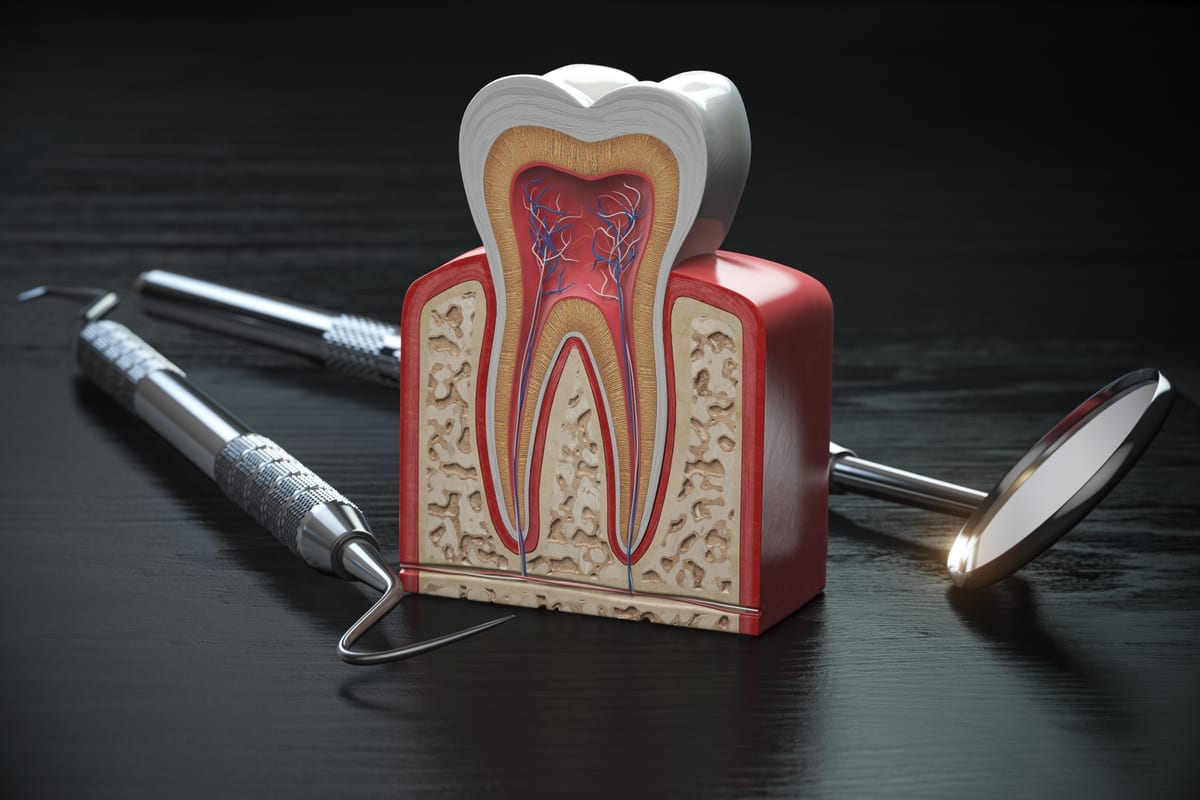
Do you have these 5 signs you need a root canal in Henrico? Many patients ignore early warning signals, hoping the discomfort will pass. Unfortunately, dental infections don’t heal on their own. At Best Smiles Staples Mill, Dr. Bharath Kumar helps patients understand when a root canal is necessary — and why acting quickly leads to better outcomes.
Root canals have an undeserved reputation for being painful. In reality, the procedure relieves pain rather than causing it. The real risk is waiting too long and allowing an infection to spread deeper into your jaw and surrounding teeth.
Sign 1: Persistent or Severe Tooth Pain in Henrico Patients
Tooth pain is the most common reason people visit a dentist urgently. However, not all tooth pain signals the same problem. Pain that lingers for more than a few days — especially deep, throbbing pain — often points to infected pulp tissue inside the tooth.
You may feel this pain when chewing, biting, or even at rest. Some patients describe a constant ache that radiates toward the jaw or ear. This type of discomfort rarely resolves without professional treatment.
If over-the-counter pain relievers only partially help, your tooth may be telling you something serious. Don’t dismiss persistent pain as a minor issue.
Sign 2: Sensitivity to Hot and Cold That Lingers
Brief sensitivity to hot or cold foods is common and often harmless. However, sensitivity that lingers for 10 seconds or more after the temperature source is removed is a red flag. This prolonged reaction suggests the nerve inside your tooth may be inflamed or damaged.
Healthy teeth recover quickly from temperature changes. When pulp tissue becomes infected or irritated, the nerve loses its ability to regulate those sensations properly.
Pay attention to whether your sensitivity has worsened over time. A gradual increase in sensitivity is a strong signal that something more serious is happening beneath the surface.
Sign 3: Swollen, Tender, or Darkened Gums
Swelling around a specific tooth — not your entire gumline — often indicates a localized infection. You may notice a small bump on the gum that looks like a pimple. Dentists call this a dental abscess or fistula, and it means bacteria are actively spreading.
Tender gums around one tooth, especially when touched, are another warning sign. You may also notice that the gum tissue looks darker or more red than surrounding areas.
Do not try to pop or drain an abscess at home. This can push bacteria deeper into the tissue and worsen the infection significantly.
- Small pimple-like bump on the gum near a tooth
- Swelling limited to one area of the mouth
- Dark or deep red gum color around a specific tooth
- Tenderness when pressing on the gum
- Bad taste or odor coming from the area
Sign 4: A Cracked, Chipped, or Deeply Decayed Tooth
Physical damage to a tooth creates an entry point for bacteria. A crack, chip, or cavity that reaches deep into the tooth exposes the pulp chamber to the oral environment. Bacteria travel quickly into that space and begin causing infection.
You may not always feel pain immediately after a crack forms. Some patients go weeks before symptoms appear. By that point, the infection may already be established inside the tooth.
Deeply decayed teeth carry the same risk. When decay goes untreated for months or years, it eventually reaches the nerve. At that stage, a root canal is often the only option to save the tooth.
Sign 5: Tooth Discoloration Without an Obvious Cause
A tooth that turns gray, yellow, or dark brown may be dying from the inside. When blood supply to the pulp is cut off — due to trauma or infection — the tooth begins to discolor as the internal tissue breaks down.
This sign is easy to overlook because it isn’t always painful. However, a discolored tooth without a cosmetic explanation warrants an immediate dental evaluation. Discoloration caused by internal damage will not respond to teeth whitening treatments.
If you notice one tooth looking noticeably darker than its neighbors, schedule an appointment soon. Early evaluation gives Dr. Bharath Kumar more options to save the tooth effectively.
Why Waiting Makes Everything Worse
Dental infections do not stay contained. Left untreated, bacteria spread from the pulp into the jawbone, surrounding teeth, and even the neck or brain in rare but serious cases. The longer an infection persists, the more tissue it destroys.
Waiting also complicates the root canal procedure itself. An advanced infection may require additional treatment steps, longer healing periods, or even tooth extraction if the damage is too severe to repair.
- Infection can spread to adjacent healthy teeth
- Jawbone loss becomes a risk with prolonged infections
- Extraction becomes more likely the longer treatment is delayed
- Healing time increases when infection is more advanced
- Additional procedures may be needed alongside the root canal
Patients in Henrico who address symptoms early typically experience simpler procedures and faster recoveries. Root canals performed at the right time are highly effective and preserve your natural tooth for years.
What Root Canal Treatment Looks Like at Best Smiles Staples Mill
Dr. Bharath Kumar uses modern techniques to make root canal treatment as comfortable as possible. The procedure involves removing infected pulp tissue, cleaning the inner canals, and sealing the tooth to prevent reinfection.
Most patients are surprised by how straightforward the process feels. Local anesthesia is used throughout, so you should feel pressure but not pain. The appointment typically takes one to two hours depending on the tooth’s complexity.
After the root canal, Dr. Kumar usually recommends placing a dental crown to protect and strengthen the treated tooth. This step helps ensure the tooth functions normally for many years to come.
Best Smiles Staples Mill also offers a full range of restorative and Cosmetic Dentistry Henrico services, so your smile can look as good as it feels after treatment. Our team also provides Cosmetic Dentistry Henrico options for patients throughout the broader area who want to enhance their results beyond restoration.
Conclusion: Don’t Ignore the Warning Signs
If you recognize any of these five signs in your own mouth, don’t wait to seek care. Persistent pain, lingering sensitivity, gum swelling, tooth damage, and unexplained discoloration all deserve prompt professional attention. Acting early means a simpler procedure, faster healing, and a better chance of keeping your natural tooth.
Dr. Bharath Kumar and the team at Best Smiles Staples Mill are here to help Henrico patients get relief and protect their long-term oral health. Book Now to schedule your appointment with our team.
Frequently Asked Questions
How do I know if I need a root canal or just a filling?
A filling addresses surface-level decay that hasn’t reached the tooth’s pulp. A root canal is necessary when decay or infection has reached the inner nerve tissue. Symptoms like deep pain, prolonged sensitivity, or gum swelling suggest pulp involvement. Dr. Bharath Kumar can take X-rays and perform a clinical exam to determine which treatment is right for you.
Is a root canal painful?
Root canals are performed under local anesthesia, so the procedure itself should not be painful. Most patients feel pressure or mild vibration but not sharp pain. The goal of a root canal is actually to eliminate the pain caused by the infected tooth. Many patients feel significant relief within a day or two of treatment.
What happens if I ignore root canal symptoms?
Ignoring root canal symptoms allows the infection to spread. Bacteria can move into the jawbone, neighboring teeth, and soft tissue. In severe cases, dental infections can become life-threatening. The longer you wait, the more complex and costly treatment becomes — and tooth loss becomes more likely.
Can a tooth that needs a root canal heal on its own?
No. Once the pulp inside a tooth becomes infected, it cannot heal without professional intervention. The pulp tissue does not have the ability to fight off bacterial infections the way other body tissues can. Only a root canal or extraction can resolve the problem and stop the spread of infection.
How long does recovery take after a root canal in Henrico?
Most patients recover within a few days. Mild soreness and sensitivity around the treated area are normal for two to three days after the procedure. Over-the-counter pain relievers typically manage this discomfort effectively. Dr. Bharath Kumar will provide specific aftercare instructions to help you heal quickly and comfortably.
