$99 Limited Emergencies Exam | For uninsured new patients only

Are You Actually A Good Candidate For Veneers?
Published on October 19, 2026
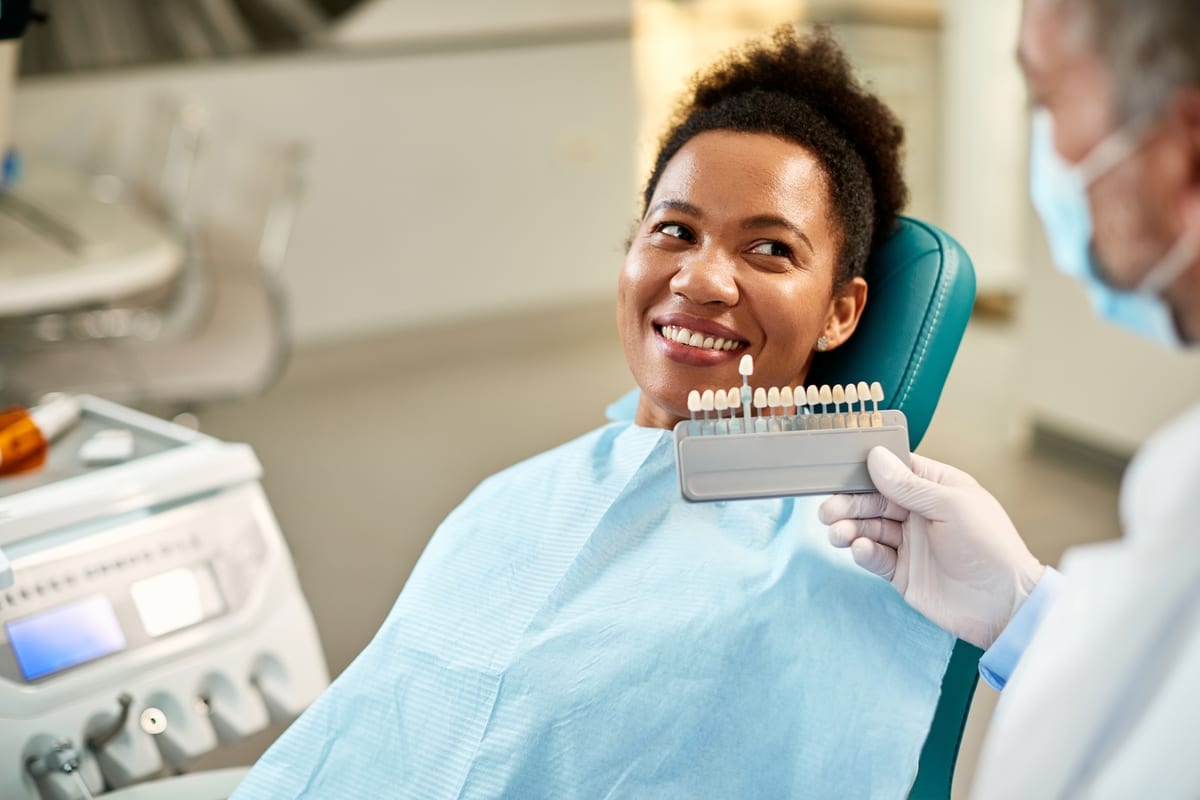
So you have been scrolling through before-and-after photos and wondering if veneers could work for you. That is a smart question to ask before booking an appointment. Are you actually a good candidate for veneers in Laurel? The answer depends on several specific factors — and this guide will walk you through each one. Understanding these criteria helps you arrive at your consultation prepared and confident.
Veneers fall under the broader category of Cosmetic Dentistry Laurel treatments. They are thin porcelain shells bonded to the front of your teeth. They can correct chips, stains, gaps, and minor misalignment. But they are not the right solution for every smile.
What Tooth Structure Requirements Matter for Veneers?
Veneers require a sufficient amount of healthy enamel. Your dentist must remove a thin layer of enamel to bond the veneer properly. If your enamel is severely worn down, bonding may not hold well. Patients with very thin enamel are often directed toward alternative treatments.
Teeth that are heavily decayed or structurally compromised also disqualify patients from veneers. Decay must be treated before any cosmetic work begins. A tooth with a large filling may need a crown instead of a veneer. Your dentist will evaluate each tooth individually during your exam.
Minor chips and small cracks are actually ideal candidates for veneer coverage. Veneers can mask surface imperfections beautifully. However, deep fractures that affect tooth integrity require a different approach. Your structural health always takes priority over cosmetics.
How Does Gum Health Affect Your Veneer Candidacy in Laurel?
Healthy gums are non-negotiable before placing veneers. Inflamed, bleeding, or receding gums signal active gum disease. Bonding veneers onto unhealthy gum tissue leads to poor outcomes. Gum disease treatment must come first.
Gum disease affects the stability of your entire oral environment. Bacteria beneath the gumline can compromise even high-quality restorations. Dr. Bharath Kumar and the team at Best Smiles Staples Mill assess gum health at every exam. Patients in Laurel who have completed gum disease treatment often become excellent veneer candidates afterward.
Gum recession also affects veneer placement and aesthetics. Receding gums can expose the veneer margin over time. This creates a visible line that undermines the cosmetic result. Stable gum levels ensure your veneers look natural for years.
- Gums should not bleed during brushing or flossing
- No active pockets or bone loss should be present
- Gum tissue should be stable for at least several months
- Any recession should be assessed and addressed beforehand
Do Bite and Jaw Habits Play a Role in Veneer Suitability?
Your bite pattern is one of the most critical candidacy factors. An uneven or misaligned bite puts excessive pressure on veneers. This pressure can crack or dislodge even expertly placed porcelain shells. Patients with significant bite issues may need orthodontic treatment first.
Teeth grinding — known as bruxism — is a major red flag. Grinding wears down natural enamel and can shatter porcelain. Many grinders do not even know they have the habit. A nightguard may be required before or after veneer placement.
Jaw clenching creates similar risks. Both habits generate forces far beyond normal chewing pressure. Your dentist will ask about jaw soreness, headaches, and worn tooth edges. Honest answers here protect your investment in your new smile.
Patients with a deep overbite also face unique challenges. The upper front teeth may bite into the veneers on lower teeth. This creates mechanical stress that shortens veneer lifespan. Your dentist evaluates bite relationship carefully before recommending veneers.
What Habits and Lifestyle Factors Should You Consider?
Certain daily habits significantly impact veneer longevity and candidacy. Nail biting, pen chewing, and opening packages with your teeth all damage porcelain. These habits generate unpredictable forces on the veneer surface. Candidates committed to breaking these habits tend to get better long-term results.
Tobacco use is another important consideration. Smoking can stain the cement used to bond veneers over time. It also elevates gum disease risk, undermining your overall oral health. Patients who smoke should discuss this openly with Dr. Bharath Kumar.
- Avoid biting nails, ice, or hard objects
- Stop using teeth as tools for opening packages
- Manage teeth grinding with a custom nightguard
- Maintain excellent brushing and flossing habits daily
- Attend regular professional cleanings to protect gum health
Diet also matters after veneers are placed. Extremely hard foods like hard candy or crusty bread can chip porcelain. Highly pigmented foods and beverages can stain veneer edges over time. Candidates willing to make modest lifestyle adjustments enjoy much longer-lasting results.
Age is another factor worth mentioning. Teenagers with still-developing teeth are rarely good candidates. Veneers work best when facial bones and tooth positions have fully matured. Most dental professionals recommend waiting until the mid-to-late teens at earliest.
A Quick Self-Screening Checklist Before Your Consultation
Use this checklist to evaluate your starting point before meeting with Dr. Bharath Kumar. It is not a substitute for a professional exam, but it gives you useful context. Honest self-assessment helps you ask better questions during your visit.
- Do you have healthy gums with no active disease or bleeding?
- Do your teeth have sufficient enamel without severe decay?
- Is your bite relatively even without significant misalignment?
- Are you free from teeth-grinding or jaw-clenching habits?
- Are you committed to good oral hygiene and regular cleanings?
- Are your teeth structurally sound without deep fractures?
If you answered yes to most of these questions, you are likely a strong candidate. If you answered no to several, that does not mean veneers are impossible. It simply means some preparatory treatment may be needed first. The team at Best Smiles Staples Mill will create a clear roadmap for your smile goals.
Exploring Cosmetic Dentistry Laurel options with a qualified provider ensures you get the right treatment at the right time. Veneers are a significant investment in your confidence and appearance. Making sure the foundation is solid protects that investment for the long term.
Your Next Step Toward a Confident Smile in Laurel
Understanding veneer candidacy puts you in control of your smile journey. Patients who screen themselves thoughtfully before consultations get more out of those appointments. You know what questions to ask and what concerns to raise. That partnership between patient and provider leads to the best outcomes.
Dr. Bharath Kumar and the team at Best Smiles Staples Mill are here to guide Laurel patients through every step. A thorough exam, honest conversation, and personalized plan make all the difference. You deserve a smile that feels as good as it looks. Book Now to schedule your appointment with our team.
Frequently Asked Questions
How many teeth do veneers typically cover?
Most patients choose to veneer the upper front six to eight teeth. These are the teeth most visible when you smile. Your dentist will help you determine the ideal number based on your smile line and goals. Symmetry and proportion are key considerations in the planning process.
Can veneers fix crooked teeth without braces?
Veneers can camouflage mild misalignment, giving the appearance of straighter teeth. However, they do not physically move teeth the way orthodontic treatment does. Significant crowding or bite issues still require orthodontic correction first. Your dentist will tell you which approach suits your specific situation.
How long do porcelain veneers typically last?
With proper care, porcelain veneers typically last between ten and twenty years. Good oral hygiene, regular dental visits, and avoiding harmful habits extend their lifespan. Wearing a nightguard if you grind your teeth is especially important. Veneers may eventually need replacement as natural wear occurs over time.
Is the veneer process painful?
Most patients experience minimal discomfort during the veneer procedure. Local anesthesia is used during the enamel preparation stage. Some mild sensitivity after placement is normal and usually resolves within a few days. Your dental team will ensure you are comfortable throughout the entire process.
What is the difference between veneers and dental bonding?
Dental bonding uses tooth-colored composite resin applied directly to the tooth surface. Veneers are custom-crafted porcelain shells made in a dental lab. Bonding is faster and less expensive but typically does not last as long. Veneers offer superior stain resistance and a more durable, lifelike result.
