
Published on January 1, 2026
Tooth problems rarely announce themselves loudly at first. For many people in Glen Allen, dental issues start as mild sensitivity, a small chip, or discomfort that comes and goes. Life gets busy—between work, school drop-offs, and errands around Short Pump or Staples Mill—and it’s easy to put off a dental visit.
But some symptoms shouldn’t be ignored. In certain cases, they may be signs that your tooth needs extra protection to prevent further damage. Understanding when to act can save you from pain, infection, or more complex treatments down the road.
Let’s break down the common warning signs, what a Dental Crowns in Glen Allen does, and when it’s time to schedule an appointment.
What Is a Dental Crown and Why Is It Used?
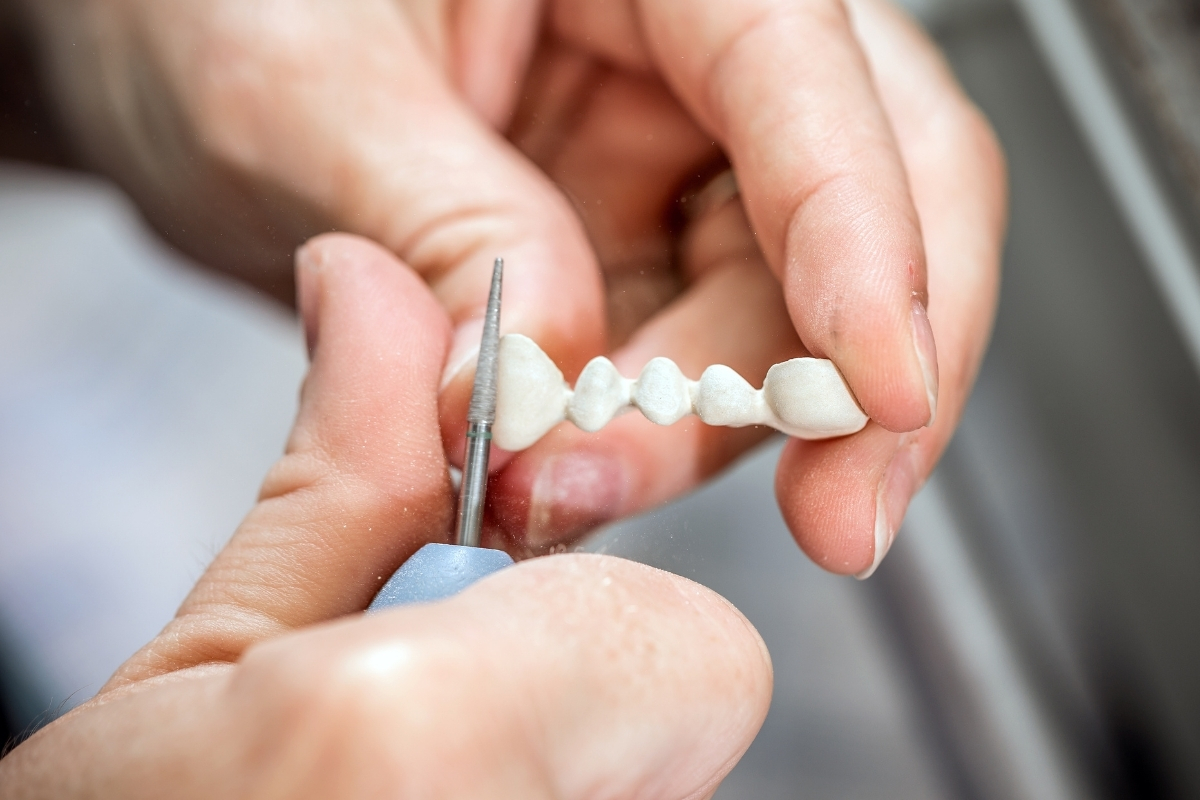
A dental crown is a custom-made cap that covers a damaged or weakened tooth. It restores strength, function, and appearance while protecting the tooth from further harm. Crowns are commonly recommended after large fillings, root canal treatment, or when a tooth is cracked or severely worn.
At our Glen Allen dental practice, crowns are designed to blend naturally with your smile while helping you chew comfortably again. Many patients are surprised by how much better their bite feels once the tooth is properly supported.
Signs You May Need a Dental Crown
If you’re experiencing any of the following, it’s a good idea to have your tooth evaluated sooner rather than later.
1. Persistent Tooth Pain or Sensitivity
Occasional sensitivity can be normal, but ongoing pain—especially when chewing or exposed to hot and cold—may indicate structural damage. A crown can help stabilize the tooth and reduce discomfort.
2. A Cracked, Chipped, or Broken Tooth
Cracks aren’t always visible, but they can worsen over time. If you’ve chipped a tooth while eating or grinding your teeth at night, a crown may prevent the damage from spreading.
3. A Large or Failing Filling
When a filling takes up too much of the natural tooth, it can weaken the remaining structure. In these cases, replacing the filling with a crown often provides longer-lasting protection. Many patients seeking Dental Crowns Glen Allen services fall into this category, especially after years of wear.
4. Tooth After Root Canal Treatment
A tooth that has had a root canal is more fragile. Placing a crown helps seal and protect it, reducing the risk of future fracture.
5. Worn-Down Teeth
Teeth can wear down from grinding (bruxism), misalignment, or years of heavy use. Crowns restore proper shape and help maintain a balanced bite.
Why Early Treatment Matters
Delaying treatment can turn a manageable issue into a dental emergency. A small crack can deepen, bacteria can enter the tooth, and what could have been solved with a crown may require extraction or more extensive care.
For Glen Allen residents juggling busy schedules, early treatment often means fewer appointments, less discomfort, and lower long-term costs.
What to Expect During the Crown Process
Modern dental technology has made crowns more comfortable and efficient than ever. Here’s a general idea of what the process looks like:
- Comprehensive exam and digital imaging
- Tooth preparation and impressions
- Temporary crown placement (if needed)
- Final crown placement and bite adjustment
Many patients are surprised by how natural their crown feels—both in appearance and function.
Choosing the Right Dental Care in Glen Allen
Local care matters. A dentist who understands the needs of Glen Allen families—from students to professionals and retirees—can provide personalized recommendations that fit your lifestyle.
Whether you’re commuting along I-295, living near Innsbrook, or raising a family in nearby neighborhoods, having a reliable dental team close to home makes staying on top of oral health easier. Patients often choose Dental Crowns Glen Allen services not just for restoration, but for peace of mind and long-term comfort.
How a Crown Can Improve Your Daily Life
A well-placed crown doesn’t just protect your tooth—it can improve your quality of life by:
- Restoring confident chewing
- Preventing further tooth damage
- Enhancing your smile’s appearance
- Reducing sensitivity and discomfort
- Supporting long-term oral health
Many patients wish they hadn’t waited so long once they experience the difference.
When Should You Book an Appointment?
If you’ve noticed pain, sensitivity, or visible damage—or if it’s been a while since your last dental exam—it’s worth scheduling a consultation. Early evaluation allows your dentist to determine whether a crown is the best option or if a more conservative treatment will work.
Our Glen Allen office welcomes patients from across Henrico County and surrounding areas, offering a calm, supportive environment focused on long-term dental health.
Frequently Asked Questions
Does getting a dental crown hurt?
The procedure is typically very comfortable. Local anesthesia is used, and most patients report little to no pain during or after treatment.
How long does a dental crown last?
With good oral hygiene and regular checkups, crowns can last 10–15 years or longer.
Can I eat normally with a crown?
Yes. Once placed, a crown allows you to eat and chew normally, though it’s best to avoid very hard foods.
Is a crown better than a filling?
When a tooth is significantly damaged or weakened, a crown often provides better long-term protection than a filling.
How do I know if I really need a crown?
A dental exam and X-rays are the best way to determine the right treatment. Your dentist will explain all options clearly before moving forward.
Take the Next Step Toward a Healthier Smile
Ignoring dental warning signs can lead to bigger problems—but acting early can protect your smile for years to come. If you’re experiencing symptoms or have concerns about a damaged tooth, now is the time to schedule an appointment.
Contact our Glen Allen dental office today to discuss your options and find out whether a crown is the right solution for you. Your smile—and your comfort—are worth it.
