
Benefits of Getting Braces as an Adult
Getting braces as an adult can do more than just enhance your smile—it can also improve your overall oral health. Properly aligned teeth help prevent issues like gum disease, excessive tooth wear, and even jaw pain that can arise from misalignment.
Thanks to modern orthodontic technology, adult braces are now more comfortable and discreet than ever. Whether you choose traditional metal braces, clear ceramic braces, or other options, you can enjoy the benefits of orthodontic treatment at any age. It’s a great investment in both your smile and long-term dental health!

Reasons You Might Need Orthodontic Treatment
Orthodontic treatment isn’t just about improving the appearance of your smile—it can also address functional issues that affect your oral health. When evaluating your need for braces, your orthodontist will consider several factors.
Here are some signs that you may benefit from orthodontic care:
- Crowded or widely spaced teeth
- Difficulty chewing or biting
- Overbite or underbite
- Mouth breathing
- Frequent teeth grinding or clenching
- Jaw pain, shifting, popping, or protrusion
- Jaws that are disproportionate to the rest of your face

Advanced Orthodontic Solutions for Maximum Comfort
At Best Smiles, we leverage advanced orthodontic technology to offer personalized treatment options for adults, ensuring both comfort and effectiveness.
Here are some of the solutions we provide:
- Metal Braces: The classic choice, effective for gradually aligning teeth.
- Technology Braces (iBraces): Self-ligating wires reduce friction, requiring fewer adjustments and providing more comfort.
- Overbite and Underbite Appliances: Designed to correct bite issues, improving both functionality and alignment.
- Clear (Ceramic) Braces: Discreet, tooth-colored brackets for a more subtle look while aligning your teeth.
- Retainers: Essential for maintaining the new position of your teeth, ensuring a lasting, beautiful smile.
Types of Retainers Offered
Clear Retainers
Fixed Retainers

How Long It Takes to Straighten Teeth
The time it takes to straighten your teeth depends on several factors, including your age, the severity of your dental issues, and the type of braces or aligners you choose.
Your orthodontist will assess your teeth and create a custom treatment plan tailored to your specific needs. This plan will include an estimated timeline that aligns with your smile goals and overall oral health.
To achieve the best results within the estimated time frame, it’s crucial to follow your orthodontist’s instructions carefully and consistently.
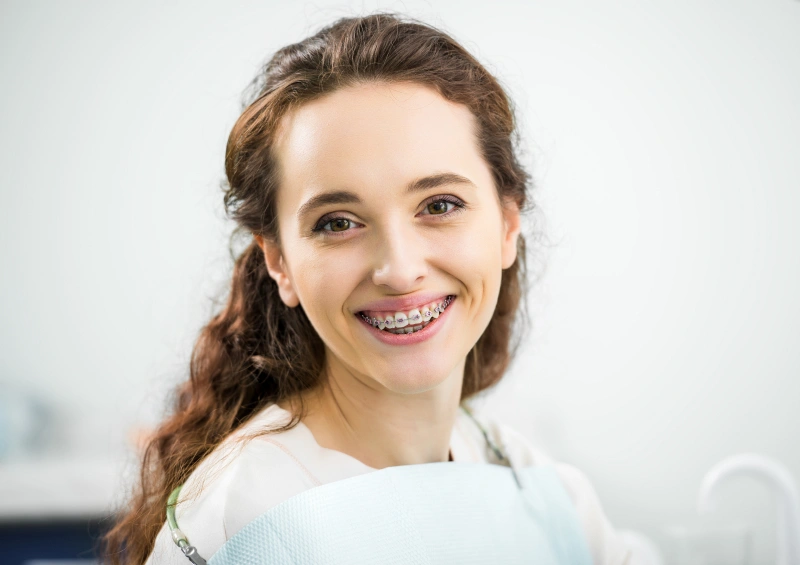
Orthodontic Visit Frequency
Thanks to advances in orthodontic technology and materials, orthodontic visits are typically scheduled every 8 weeks or longer. During these appointments, your orthodontist will check your progress, make any necessary adjustments, and ensure your teeth are moving as planned.
Regular visits are essential to ensure your braces are working effectively and to address any issues early on. By attending these checkups, you’ll stay on track to achieve the best possible results for your smile.
Top Things to Know Before Getting Braces
Commitment
Cost
Lifestyle Changes

Boost Your Confidence With Adult Braces

Essential Care Tips for Traditional Braces
Taking care of your teeth while wearing braces is crucial to avoid complications like tooth decay and gum disease. Food particles can easily get stuck in the brackets, so proper brushing and flossing are key. Though it might feel tricky at first, with some practice, cleaning your teeth with braces will become second nature.
Here are some helpful tips to make the process easier:
- Choose Your Toothbrush: Whether you prefer a manual or electric toothbrush, both can be effective—just make sure to brush thoroughly.
- Use a Floss Threader: This handy tool helps you maneuver floss between your teeth and around the brackets more easily.
- Water Flosser for Efficiency: If you’re looking for a quicker and more effective way to floss, a water flosser can help you clean between your teeth more efficiently.
