
Early Orthodontic Care for Children
A common question parents have is whether it’s worth investing in orthodontic care for their child’s teeth. The American Association of Orthodontists recommends that children visit an orthodontist by the age of seven. At this initial consultation, the orthodontist will assess whether early treatment is necessary.
Early orthodontic treatment, or Phase One, typically begins around ages nine to ten. This phase aims to guide jaw growth, address bite issues, and create space for permanent teeth. By doing so, it can help reduce the need for more extensive treatments or tooth extractions in the future.
Phase Two of orthodontic care usually starts around age 11 and may continue into adulthood, depending on the individual’s needs. Starting treatment early can help set the foundation for a healthier, more balanced smile later on.
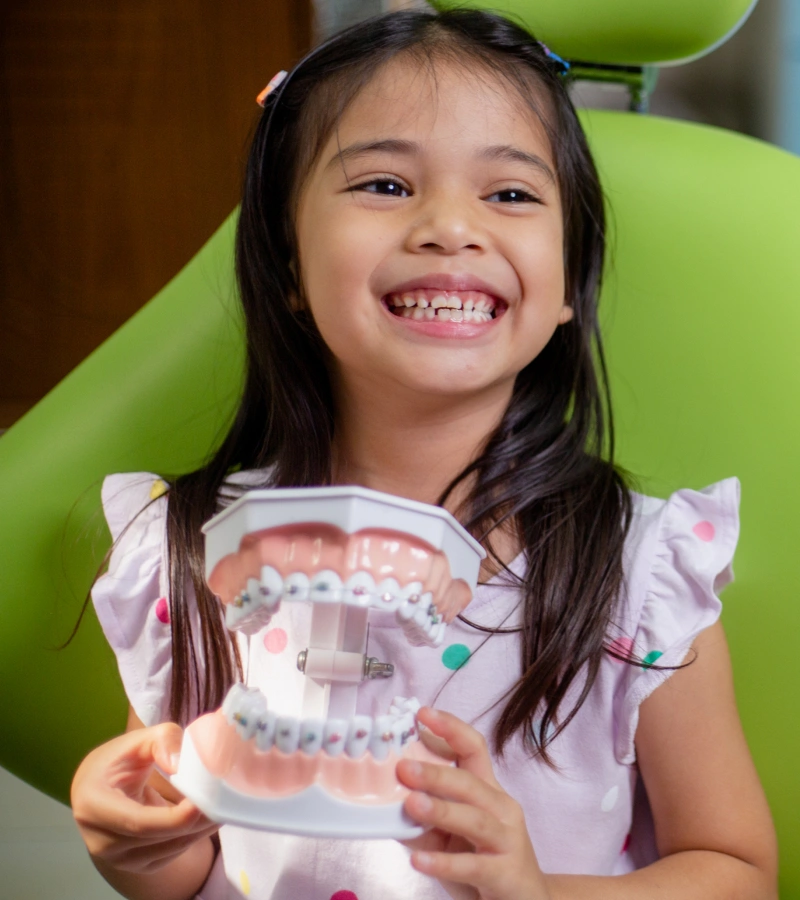
Signs Your Child May Need Early Orthodontic Treatment
- Early or late loss of baby teeth: Most kids begin losing teeth around age five and have all their permanent teeth by age 13.
- Trouble chewing or biting food: If your child struggles with eating or seems to have difficulty biting down properly.
- Mouth breathing: Breathing through the mouth rather than the nose can be a sign of alignment issues.
- Thumb or finger sucking past age five: Persistent sucking habits beyond this age can affect teeth development.
- Speech difficulties: Problems with speech may indicate misaligned teeth or jaw.
- Protruding teeth: When the upper or lower teeth extend outward, this can be a concern.
- Teeth that don’t align properly: If teeth don’t meet when your child bites down, it may point to a misalignment issue.
- Jaw shifting: If your child’s jaw shifts when they open or close their mouth, it could signal a crossbite or other issues.
- Crowded front teeth: When the front teeth appear crowded or misaligned around ages seven or eight, it’s a good idea to consult an orthodontist.
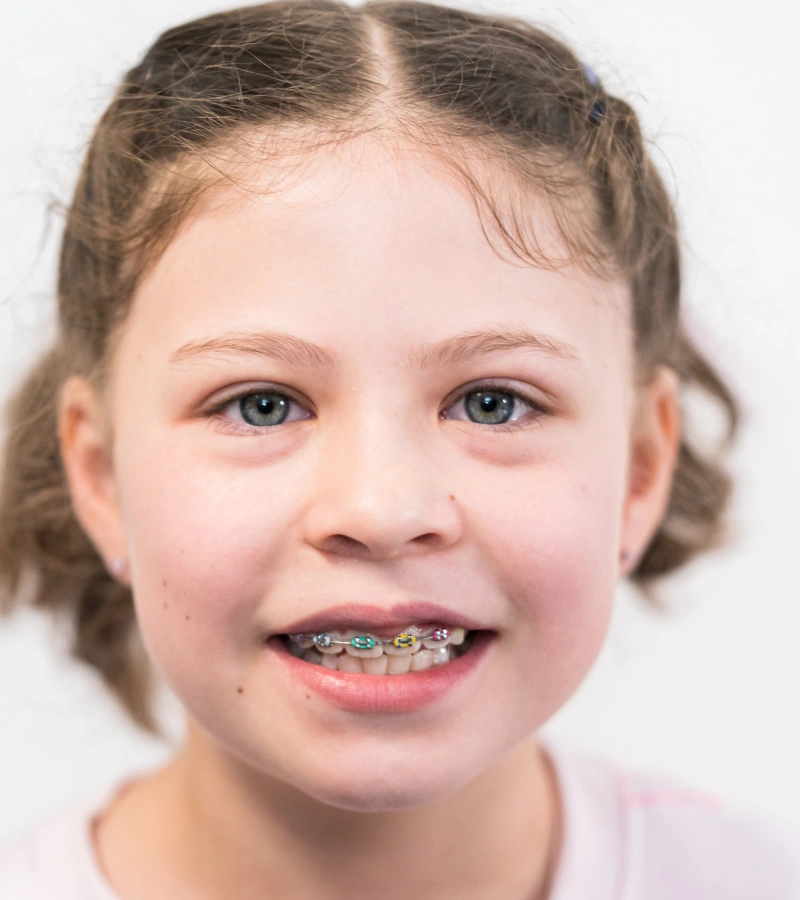
Orthodontic Problems and the Importance of Early Treatment
Orthodontic issues such as crowded teeth, gaps, jaw growth problems, protruding teeth, and misaligned bites can be inherited or caused by factors like thumb-sucking, injuries, or the early or late loss of baby teeth.
As jaw growth slows down toward the end of the teenage years, adult orthodontic treatment often takes longer and may require procedures like extractions or even surgery. Early treatment, however, can help avoid these more invasive methods, leading to a healthier, more balanced smile.
If your child is around 7–8 years old or has been referred by a dentist, it’s a great idea to schedule an initial exam. This early evaluation helps determine the best course of action for their dental development and ensures their smile stays on track.
