
Published on March 17, 2026
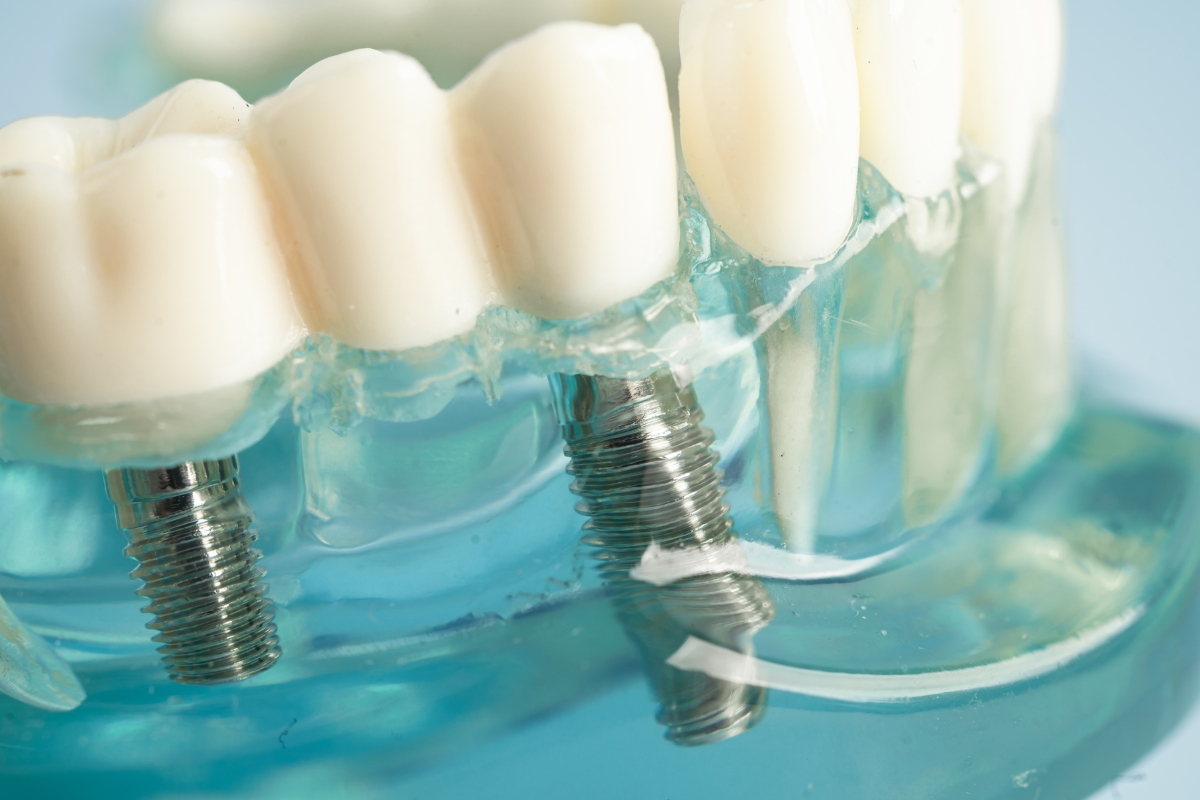
Getting dental implants is a big step toward restoring your smile, confidence, and oral health. But what happens after the procedure matters just as much as the treatment itself. Proper aftercare can make the difference between a quick recovery and unnecessary complications.
If you’ve recently had implants placed—or are planning to—this guide will walk you through simple, practical ways to heal faster and keep your new smile strong for years to come.
Why Aftercare Matters More Than You Think
Dental implants are designed to function like natural teeth. However, they need time to fuse with your jawbone—a process called osseointegration. During this healing phase, your habits play a major role.
Following the right care routine not only reduces discomfort but also improves long-term success. Patients choosing Dental Implants Chester services often see the best outcomes when they follow a consistent aftercare plan from day one.
What to Expect Right After the Procedure
The first 24–72 hours are crucial. You may notice:
- Mild swelling around the gums and face
- Slight bleeding
- Minor discomfort or soreness
- Sensitivity while eating
These are normal and usually subside within a few days. Your dentist will likely provide medication and care instructions—follow them closely.
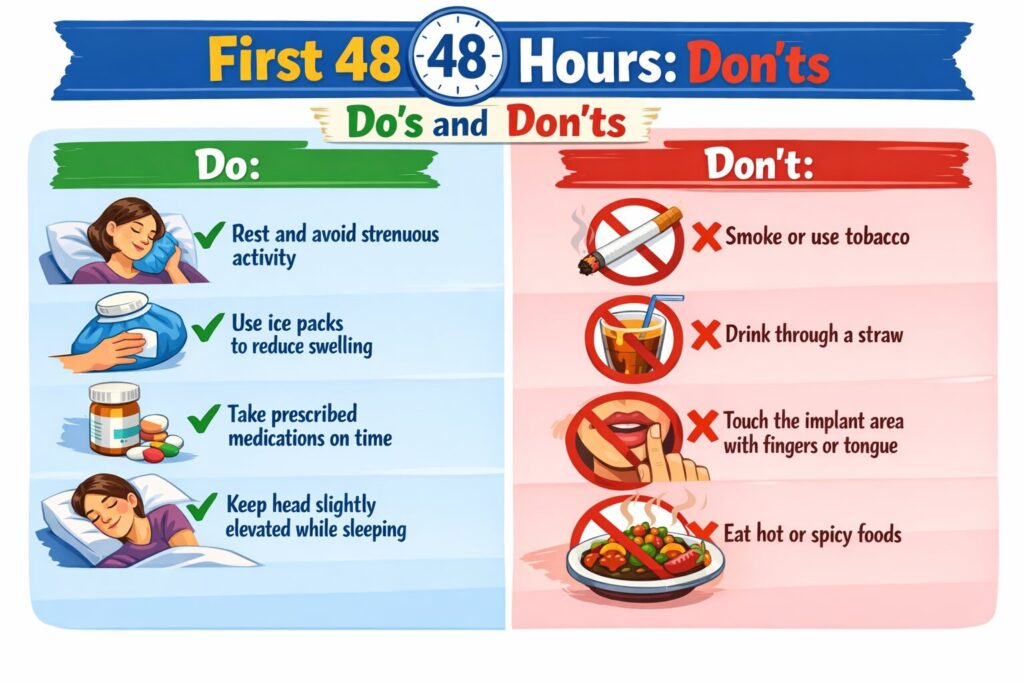
First 48 Hours: Do’s and Don’ts
Do:
- Rest and avoid strenuous activity
- Use ice packs to reduce swelling
- Take prescribed medications on time
- Keep your head slightly elevated while sleeping
Don’t:
- Smoke or use tobacco
- Drink through a straw
- Touch the implant area with your fingers or tongue
- Eat hot or spicy foods
Eating Right for Faster Healing
Your diet plays a key role in recovery. Stick to soft, nutritious foods that won’t disturb the implant site.
Best foods to eat:
- Yogurt and smoothies
- Mashed potatoes
- Scrambled eggs
- Soft rice or pasta
- Steamed vegetables
Foods to avoid:
- Hard or crunchy snacks
- Sticky foods like caramel
- Extremely hot beverages
- Acidic or spicy dishes
Hydration is equally important—drink plenty of water throughout the day.
Keeping Your Mouth Clean (Without Causing Harm)
Oral hygiene doesn’t stop after surgery—it just needs a gentler approach.
Simple hygiene tips:
- Brush carefully using a soft-bristled toothbrush
- Avoid the implant site for the first few days
- Use a prescribed or saltwater rinse
- Floss gently around surrounding teeth
Keeping your mouth clean prevents infection and promotes healing.
Managing Pain and Swelling
Most patients experience only mild discomfort, which can be managed easily.
- Use cold compresses in the first 24 hours
- Switch to warm compresses after swelling reduces
- Take pain relief medications as directed
- Avoid overexertion
If pain worsens after a few days instead of improving, contact your dentist immediately.
Habits That Can Affect Your Recovery
Certain everyday habits can interfere with healing and even cause implant failure.
Avoid:
- Smoking or vaping (slows healing significantly)
- Grinding or clenching teeth
- Skipping oral hygiene
- Ignoring follow-up visits
If you live in Chester or nearby areas, maintaining regular dental visits is easy and ensures your implants are healing properly.
Long-Term Care for Lasting Results
Once your implant has healed, caring for it is similar to caring for natural teeth—but with extra attention.
Daily care routine:
- Brush twice a day
- Floss daily
- Use an antibacterial mouthwash
- Visit your dentist every 6 months
Dental implants are durable, but good habits will keep them looking and functioning like new.
Source: Dr. John Thousand IV, DDS, MSD
Signs You Shouldn’t Ignore
While most recoveries go smoothly, keep an eye out for warning signs:
- Persistent swelling after a week
- Severe pain or discomfort
- Pus or unusual discharge
- Loose implant feeling
- Fever
Early detection can prevent complications, so don’t hesitate to seek professional help.
Local Tips for Chester Patients
Living in Chester means you have access to reliable dental care and a supportive community. To make your recovery smoother:
- Schedule follow-ups ahead of time to avoid delays
- Choose nearby pharmacies for quick access to medications
- Stick to locally available soft foods during recovery
- Plan your rest days if you commute or work long hours
Patients opting for Dental Implants Chester treatments often benefit from staying consistent with local dental visits and post-care routines.
Common Questions Patients Ask
How long does it take to heal?
Initial healing takes about 1–2 weeks, but full integration can take 3–6 months.
Can I return to work the next day?
Many patients can, depending on the procedure. However, rest is recommended for at least 24 hours.
When can I eat normally again?
You can gradually return to your normal diet after a few days, depending on your comfort level.
Are dental implants permanent?
With proper care, implants can last decades or even a lifetime.
Final Thoughts and Next Steps
Caring for your dental implants doesn’t have to be complicated. A little attention, the right habits, and regular checkups can go a long way in ensuring a smooth recovery and long-lasting results.
If you’re considering treatment or need expert aftercare guidance, the team at Best Smiles Chester is here to help. Book your appointment today and take the next step toward a healthier, confident smile.
