
Published on January 28, 2026
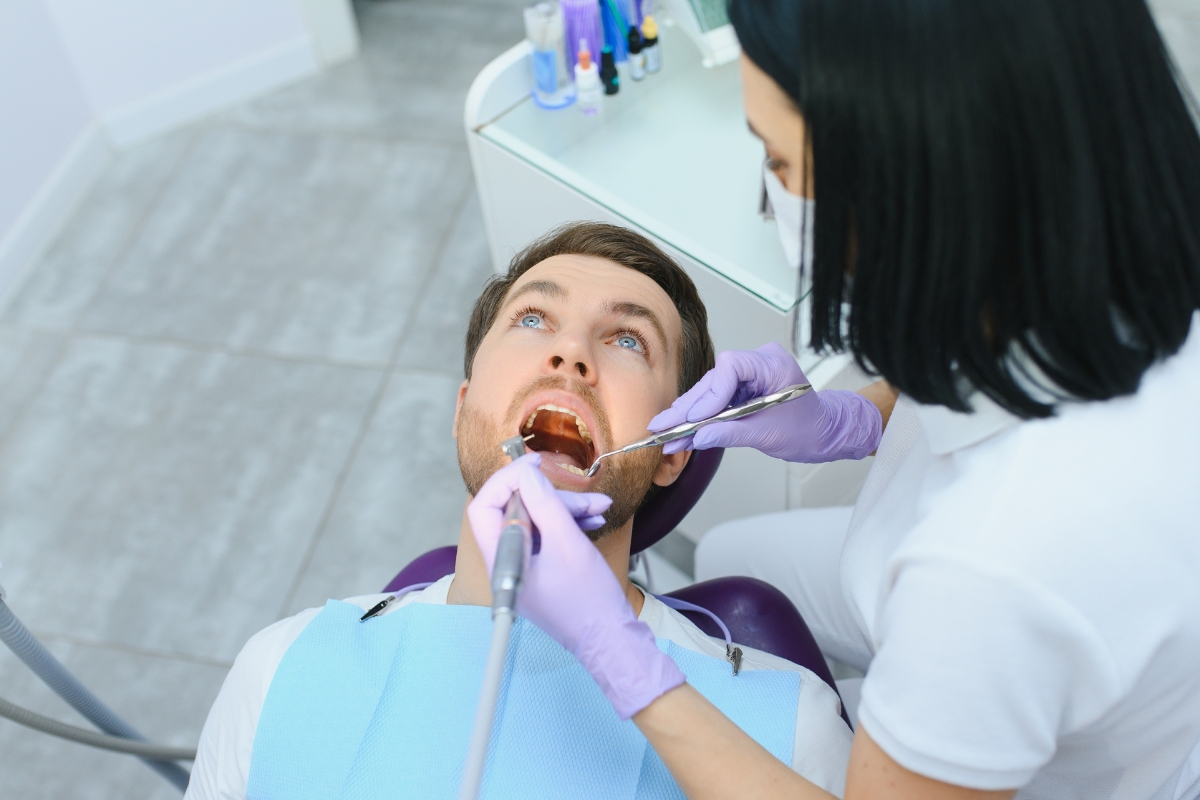
Preparing for a dental procedure is not just about showing up on time. It plays a real role in how comfortable you feel, how smoothly the visit goes, and how well your mouth heals afterward. Many people in Glen Allen feel nervous before a tooth removal, especially when concerns about pain, swelling, or time away from work come into play. These feelings are completely normal.
Daily life here is busy. School drop-offs, commutes along Staples Mill Road, and packed work schedules. Knowing what to expect ahead of time can remove much of the stress and uncertainty. Preparation helps your dental team work efficiently and gives you more control over your recovery.
This guide walks you through clear, practical steps to take before your appointment. From understanding why removal may be recommended to planning recovery at home, the goal is simple: help you feel informed, calm, and ready when the day arrives.
Understanding Why a Tooth Extraction May Be Needed
There are several reasons your dentist may recommend removing a tooth. Infection is one of the most common. When decay or bacteria reach deep inside a tooth, it can threaten nearby teeth and gum tissue if left untreated. In other cases, damage from trauma or cracks may leave a tooth beyond repair.
Crowding is another factor, especially when teeth do not have enough space to align properly. Removing a problem tooth can help protect overall bite balance. Impacted teeth, such as those trapped below the gumline, may also need attention to prevent pain or inflammation.
Addressing these issues early helps avoid larger oral health problems later. Delaying care can allow discomfort to worsen and healing to become more complex. That is why professional evaluation matters.
A dentist looks at X-rays, gum health, and your overall oral condition before recommending any treatment. This careful approach ensures that a tooth extraction in Glen Allen is only suggested when it truly supports your long-term dental health.
What to Discuss With Your Dentist Before the Appointment
Open communication before your visit makes a meaningful difference. Start by sharing your full medical history. Conditions such as heart concerns, diabetes, or immune issues can influence treatment planning. Medications and supplements should also be discussed, even those that seem unrelated.
Allergies are another key point. Let your dentist know about reactions to medications, latex, or anesthesia. If dental anxiety has been part of past experiences, bring that up as well. Many patients in Glen Allen manage busy lives and want visits to feel efficient and calm. Talking about comfort options ahead of time allows the care team to plan accordingly.
This is also the time to ask questions. You may want clarity on how long the visit will take, what recovery feels like, or how soon normal routines can resume. When you leave the consultation feeling informed, the appointment itself becomes far less intimidating. At Best Smiles, these conversations are encouraged so every patient feels prepared and respected.
How to Prepare in the Days Leading Up to Your Extraction
Medication and Health Considerations
In the days before your appointment, pay close attention to medication guidance. Certain prescriptions, including blood thinners, may require adjustments. Never stop or change medication on your own. Always follow instructions provided by your dentist or physician.
If you feel unwell, develop a fever, or notice changes in your health, notify the office promptly. Even minor concerns can affect treatment planning. This step is especially important during colder months when seasonal illnesses are common in the area.
Eating, Drinking, and Lifestyle Adjustments
Preparation also includes everyday habits. If sedation is part of your plan, you may be asked to avoid eating or drinking for a set time beforehand. Follow these instructions carefully for safety reasons.
Alcohol and smoking should be limited in the days leading up to your visit, as they can interfere with healing. Caffeine may increase anxiety for some patients, so reducing intake can help you feel calmer. Staying hydrated is important, but do so within the guidelines provided.
These small steps help ensure your body is ready and reduce the risk of complications related to tooth extraction procedures.
Preparing for the Day of Your Tooth Extraction
What to Eat or Avoid Before Your Visit
What you eat before your appointment depends on the type of treatment planned. Some visits allow a light meal, while others require fasting. Food choices matter because digestion and anesthesia responses are closely linked. When permitted, choose simple, easy-to-digest foods and avoid heavy or greasy meals.
What to Wear and Bring to Your Appointment
Comfort is key on appointment day. Wear loose, comfortable clothing and avoid accessories that may feel restrictive. Bring identification, insurance information, and any written instructions you received during your consultation.
If sedation is involved, plan transportation ahead of time. Asking a family member or friend to drive can make the day smoother. Many Glen Allen patients plan visits around work or school schedules, so thinking ahead helps avoid last-minute stress and allows you to focus on recovery after leaving Best Smiles.
Planning for a Smooth Recovery at Home
A little preparation at home goes a long way. Stock your kitchen with soft foods such as yogurt, soup, and mashed vegetables. These options are gentle and easy to manage during early healing.
Create a calm recovery space where you can rest comfortably. Extra pillows, clean linens, and a quiet environment help your body recover. It is also wise to schedule lighter activities for a few days and avoid strenuous movement.
If you have children or responsibilities at home, arranging help in advance can reduce pressure. Planning this support allows you to focus on healing without interruptions. Recovery tends to be smoother when expectations are realistic, and support is in place.
Common Concerns Patients Have Before Tooth Extraction
Pain is often the first worry patients mention. Most discomfort is manageable and temporary, especially when post-visit instructions are followed carefully. Modern dental techniques are designed to minimize discomfort during and after care.
Many patients also ask about procedure length. In most cases, the visit is shorter than expected. Recovery time varies, but many people return to light activities within a few days.
Questions about work, school, and social plans are common. Your dentist can help you plan timelines based on your specific situation. Understanding these details ahead of time reduces anxiety and helps you feel more in control when facing an appoitment of tooth extraction in Glen Allen.
When to Call Your Dental Office Before the Appointment
Do not hesitate to contact the office if anything changes before your visit. New medications, changes in health, or unexpected symptoms should always be reported.
Increasing pain, swelling, or signs of infection are especially important to mention. These details help your dental team adjust care safely and effectively.
Clear communication ensures your appointment proceeds smoothly. Reaching out early allows Best Smiles to provide guidance and reassurance when you need it most.
Being prepared transforms a dental visit from something stressful into something manageable. When you understand the process, follow guidance, and plan, treatment becomes smoother and recovery more predictable.
Taking time to prepare allows you to make calm, informed decisions about your care. It also helps your dental team provide the safest and most comfortable experience possible.
If you are ready to move forward or need clarification before your visit, confirming or scheduling your appointment is the next step. Best Smiles is here to support Glen Allen residents with thoughtful, people-first care designed to help you feel confident every step of the way.
Ask Anything about Tooth Extraction
How long does a tooth extraction appointment usually take?
Most appointments are completed within an hour. Timing depends on the tooth’s condition and complexity.
Should I eat before my appointment?
This depends on whether sedation is planned. Your dental office will provide specific instructions based on your treatment.
Do I need someone to drive me home?
If sedation is used, yes. Even without sedation, having a driver can make the experience easier and safer.
Can I drink water before my appointment?
In many cases, yes. However, follow the exact instructions provided, especially if sedation is involved.
What foods are best during recovery?
Soft foods like soups, yogurt, mashed vegetables, and smoothies are easier to manage during early healing.
