
Published on January 12, 2026
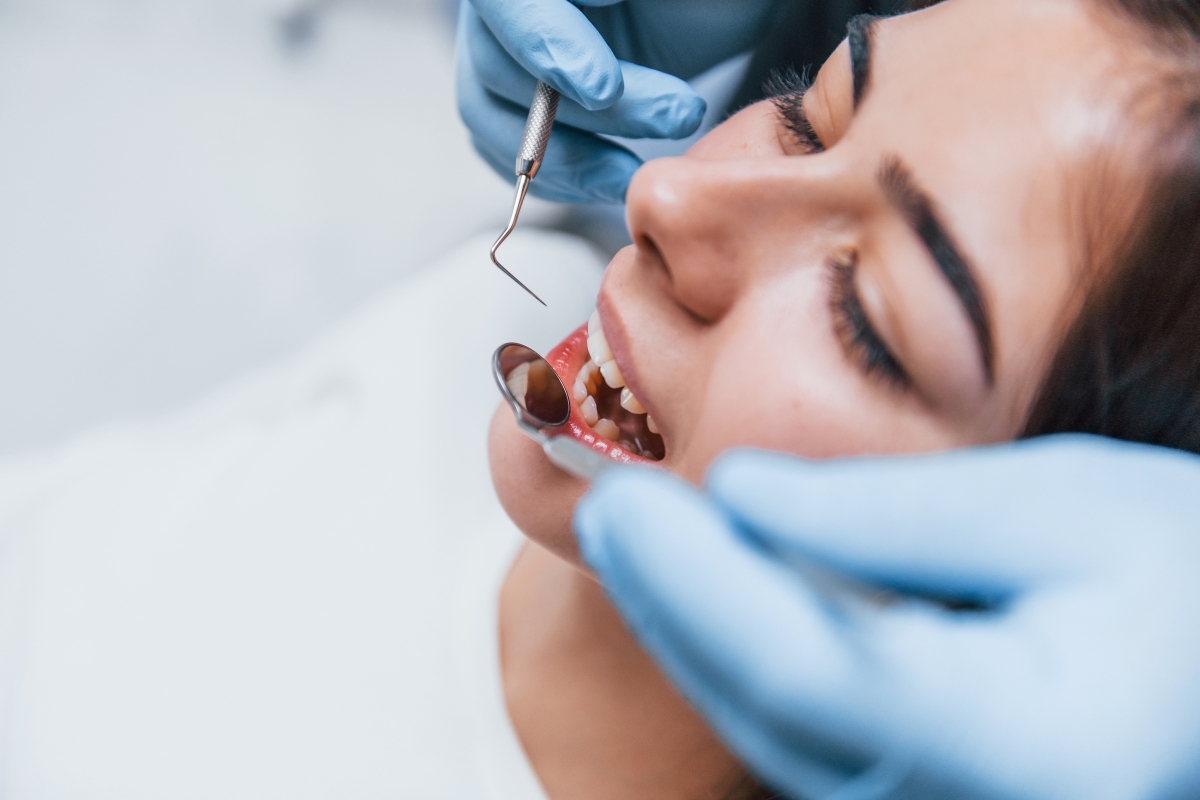
Getting a tooth extraction is sometimes seen as a big part of your dental care, perhaps because it was damaged, decayed, or to make way for an implant. Losing a tooth can be scary and unsettling. However, it’s important to realize that, in most cases, it’s the beginning of getting your smile back. Patients are put on dental implants most times to replace the extracted tooth for cracks.
However, the timing between extraction and implant placement is critical for ensuring the best outcome. Adequate healing time is essential for implant success. This blog will guide you through the recovery process, the factors that influence when your dental implant can be placed, and why the timing is crucial. Whether you’re recovering from a recent extraction or planning, this guide will help you navigate the next steps.
What Happens Immediately After a Tooth Extraction
After a tooth extraction, the body’s natural healing process begins right away. One of the most crucial steps is the formation of a blood clot at the site of extraction. This clot helps to stop bleeding and serves as the foundation for the tissue and bone healing process. It’s essential to avoid disturbing this clot to promote a healthy recovery.
In the first 24-48 hours, you may experience mild pain, swelling, and some discomfort around the extraction site. These sensations are normal and usually subside within a couple of days.
However, if you notice intense pain, excessive swelling, or pus, it may indicate an infection or complication, and you should contact your dentist immediately. Keeping your mouth clean and following post-operative care instructions will help you heal efficiently and safely.
The Healing Process After Tooth Extraction
Early Healing Phase (First 1–2 Weeks)
The first couple of weeks after your tooth extraction are crucial for gum tissue healing. The gum will begin to close up, forming a protective layer over the extraction site. During this time, you can expect some swelling and soreness, which are entirely normal and part of the healing process. You’ll be advised to stick to soft foods and avoid chewing directly on the healing site to reduce irritation.
It’s important to rest and avoid strenuous activities that could disrupt the healing process. While most swelling and discomfort will fade within the first week, your dentist may recommend pain management strategies like ice packs or prescribed medication to ease any discomfort.
Bone Healing Phase (Several Weeks to Months)
As your gums heal, the bone beneath also begins the process of healing. Bone regeneration is vital, especially if you’re planning to get a dental implant later. The bone must stabilize and regain its strength before an implant can be placed securely.
In some cases, bone grafting may be recommended to build up the bone before your implant placement. This phase typically takes several weeks to months, depending on your overall health and the complexity of the extraction.
Why Timing Matters Before Getting a Dental Implant
The timing between tooth extraction and implant placement plays a significant role in ensuring long-term success. The primary factor influencing this timing is the health and stability of the bone where the implant will be placed. If implants are placed too early, there’s a risk that the bone hasn’t fully healed, which can lead to complications.
Conversely, waiting too long to place an implant may result in bone loss, which can make the implant procedure more challenging and sometimes require additional treatments like bone grafting.
Proper timing ensures that your implant will integrate well with the bone, leading to better function, comfort, and longevity of your dental restoration.
Dental Implant Placement Timeline Options
Immediate Implant Placement
In some cases, your dentist may recommend placing an implant immediately after the tooth extraction in South Richmond. This option is often considered when the bone is healthy, and there is no infection or other complications. The benefit of this approach is the shortened timeline for overall tooth restoration, as it eliminates the need for a separate healing period before implant placement.
However, this method isn’t suitable for everyone. If there’s an active infection, insufficient bone density, or other complicating factors, this option may not be recommended.
Early Implant Placement
This method typically involves placing the implant a few weeks after the extraction, once the gum has healed, but the bone is still soft. This approach is often recommended if there’s enough bone structure for the implant, but the dentist wants to avoid the waiting time for complete bone healing.
The healing period for early implant placement can range from several weeks to a few months, depending on the condition of the bone.
Delayed Implant Placement
For those who require more time for the bone to heal or who have insufficient bone, delayed implant placement may be the best option. This method typically involves waiting several months after the extraction to allow the bone to heal completely. In some cases, bone grafting may be necessary to restore bone volume before the implant is placed.
While this method may take longer, it ensures that the bone is strong and stable, leading to a higher success rate for the dental implant.
Factors That Influence Your Implant Timeline
Several factors determine when you can get your dental implant after a tooth extraction in South Richmond. These factors include:
- Bone density and jaw health: The stronger and healthier your bones, the sooner an implant can be placed.
- Infection or gum disease history: If the extraction site was infected, your dentist may need to address that before proceeding with an implant.
- Overall health and lifestyle habits: Smoking or certain medical conditions may delay the healing process.
- Location of the extracted tooth: Some areas of the mouth may heal faster than others, affecting the timeline for implant placement.
What to Expect Between Extraction and Implant Placement
During the waiting period, you may be offered temporary tooth replacement options, such as a dental bridge or partial denture, to maintain your smile and chewing function. These options can be customized to fit your needs and provide comfort while your gums and bone heal.
You will also have follow-up visits to ensure proper healing and to assess your bone density and gum tissue. Regular imaging will help your dentist determine the right time for implant placement, ensuring that the process is as smooth as possible.
Maintaining good oral hygiene during this time is crucial. Avoid any hard, sticky foods that might disrupt the healing process, and continue to follow your dentist’s post-extraction care instructions.
How Your Dentist Determines the Right Implant Timing
Your dentist will use a combination of clinical exams and digital imaging, such as X-rays or 3D scans, to assess the condition of your bone and gums. These tools allow for a customized treatment plan, ensuring that the timing of your dental implant placement aligns with your specific needs.
A patient-specific approach ensures the best possible outcome, minimizing risks and enhancing the success of your implant.
Signs You May Be Ready for a Dental Implant
The ideal time to place a dental implant is when your gums are fully healed, and your bone has had enough time to stabilize. Key signs you’re ready include:
- Healthy, healed gum tissue: There should be no signs of infection or inflammation.
- Adequate bone support: Your bone density should be sufficient to hold the implant securely.
- Absence of pain or infection: Any residual discomfort should have resolved.
Proper healing and careful timing are essential to the success of your dental implant. By following your dentist’s advice and attending all necessary follow-ups, you can ensure that your tooth extraction and subsequent implant placement go smoothly.
At Best Smiles, we are here to guide you through each step of the process, helping you achieve the smile you’ve always wanted. Are you ready to take the next step? Schedule a consultation with us today to discuss your options!
Ask Anything about Tooth Extraction
Can I eat after a tooth extraction?
Yes, but avoid hot, hard, or chewy foods for a few days. Stick to soft foods and follow your dentist’s eating recommendations.
What happens if I wait too long to get a dental implant?
Waiting too long can lead to bone loss, which may require additional procedures, such as bone grafting, before an implant can be placed.
How long does a dental implant procedure take?
The implant procedure itself usually takes 1-2 hours, but the overall process, including healing, can take several months.
Can I smoke after a tooth extraction?
It’s best to avoid smoking, as it can interfere with healing, increase the risk of infection, and affect implant success.
Can I return to work after a tooth extraction?
Most patients can return to work after 1–2 days of rest. However, you should avoid strenuous activities for about a week.
