
Published on February 13, 2026
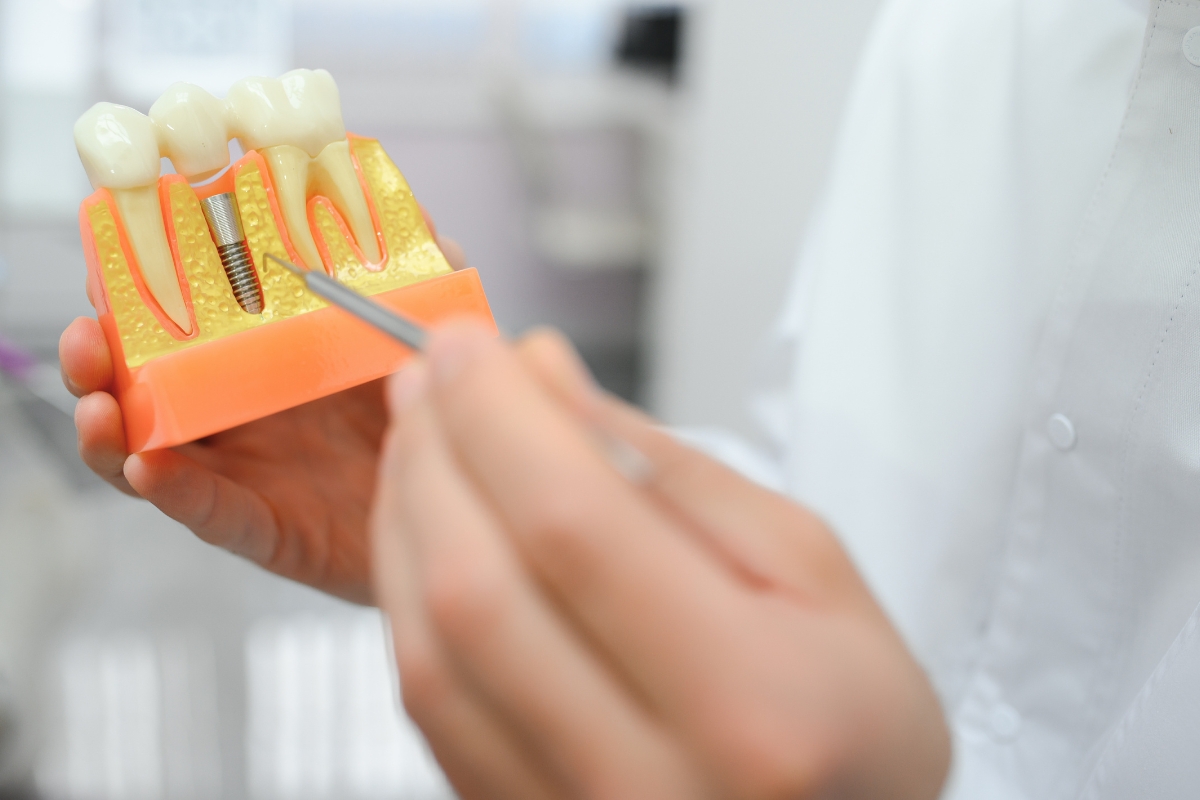
Dental implants have changed the way we approach replacing lost teeth, providing a long-term, aesthetically pleasing option for those seeking to enhance the functional and cosmetic appearance of their smile. But after the procedure, patients are curious about the timing of reinitiating eating and the types of foods to limit during convalescence. Timing is everything when it comes to restoring proper nutrition, even after receiving a dental implant.
As a first-time dental implant patient or a seasoned veteran of the process, it’s imperative that you understand when it’s safe to eat and what to eat after a dental procedure. Dental implants are a sensitive area to heal, and premature food intake may interfere with healing. This guide will walk you through when you can eat after a dental procedure and how to do so.
Understanding the Healing Process Following Dental Implants
Once your implant surgery is over, you will have to allow your mouth adequate time to heal. The length of your healing time depends on several factors, including your condition and your adherence to your implant dentist’s instructions. The most critical times are the first 24 to 48 hours, so you should avoid any food and drink that can compromise your condition and trigger pain or swelling during this period.
At first, your dentist will likely recommend eating soft foods for the first couple of days after the procedure. This can include foods such as potatoes, soups, smoothies, yogurt, or any food in a form that requires no chewing, so there is no undue stress on the implant as it is integrated into the bone.
When Can You Eat Solid Foods After Dental Implants?
The timeline for when it is safe to resume eating solid foods again may vary depending on the type of dental implants and how well you are recovering from surgery. However, it is advisable to wait at least 48 hours after the surgery before eating any solid foods. For the first 3-5 days after surgery, it is advisable to maintain a soft-food diet. You could, for example, choose foods that do not require a lot of chewing, like eggs, applesauce, oatmeal, and vegetables.
Avoid foods with a hard, crunchy, or chewy texture, as they could interfere with the implant’s healing. While you might want to treat yourself to your favorite food, taking these precautionary steps is important when you’re looking for Dental Implants in Glen Allen.
Source: Dr. Brett Langston | About Dental Implants & Teeth
Factors That Affect Your Ability to Eat After Implants
Several factors may affect how long it takes for you to start eating after the process. They range from the complexity of the dental implants and the number of implants to the condition of the jawbone that requires them. If you need to install more than one, it might take longer to heal, depending on the condition of your jawbone. For complex dental implants, you might need to skip a meal and wait up to one week before taking your first meal.
Furthermore, your overall health also affects how quickly you heal. For example, if you are a diabetic, it will take you longer than the average person to heal. Strict adherence to your dentist’s advice can speed up the process and prevent complications.
What Foods Should You Avoid After Getting Dental Implants?
Once you’ve completed the initial healing process, you can slowly reintroduce solid foods to your diet. There are still some foods, however, that you should avoid for a number of weeks after the procedure:
- Crunchy foods like chips, pretzels, and nuts may put unnecessary pressure on your implants and delay healing.
- Sticky foods, such as caramel, taffy, or chewing gum, may get stuck in the mouth’s implant site and be difficult to clean.
- Tough cuts of meat may be avoided until the implant is fully integrated into the bone. We recommend sticking to softer meats and ground meats during this time.
- It is also important to keep away from alcohol and smoking, as they may interfere with the process of healing.
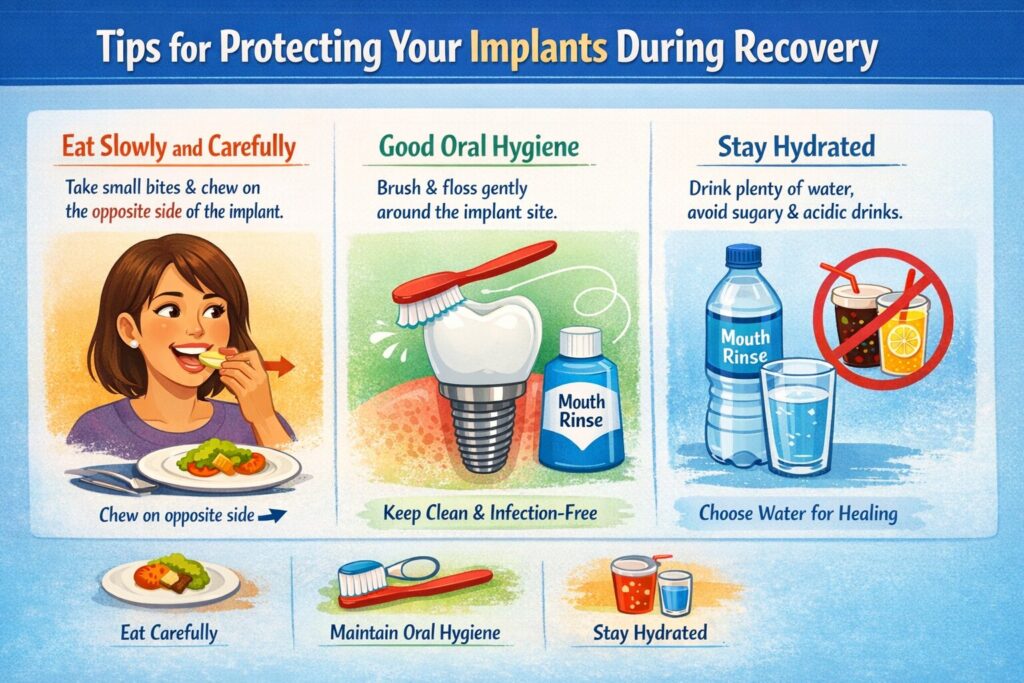
Tips for Protecting Your Implants During Recovery
Taking care of your implants after the surgery is very important to achieve a successful result. Below are some tips on how best to care for your new implants and safeguard them during the healing process:
- Eat Slowly and Carefully: When you start eating again, take small bites and chew on the opposite side of the implant from where you normally chew to avoid applying pressure to the healing area.
- Good Oral Hygiene: Gently brush and floss around your implant site to keep it clean and free of bacteria that can cause infection. Your dentist may also recommend a special mouth rinse for better implant healing.
- Stay Hydrated: Consuming enough fluids promotes oral hydration. Choose water over other fluids, especially those containing sugar and acid, which may cause discomfort in your oral cavity and implant site.
Caring for Your New Dental Implants
Post-dental implant meals need to be approached with caution to allow the healing process to work as desired. Although you should consider the dentist’s recommendations, it is worth noting that it may be at least 48 hours before you can eat soft foods and up to one week before you can eat your favorite solid foods. The measures you take during the process will support healing and extend the implants’ lifespan.
If you’re thinking of having dental implants or if you’ve already undergone the dental implant procedure and wish to recover well, you don’t need to look further than Best Smiles Glen Allen. We’re committed to providing you with excellent care and support so you can recover well and start your favorite meals right away. Book an appointment today to discuss your dental implants.
Questions People Ask About Dental Implants
Can I eat normally right after getting dental implants?
After receiving dental implants, avoid eating for the first 48 hours. Stick to soft foods to minimize discomfort and allow the implant to settle. Gradually reintroduce solid foods after a few days, following your dentist’s advice.
What should I eat after dental implants?
In the first few days after dental implants, eat soft foods like yogurt, smoothies, mashed potatoes, and soups. Avoid hard, chewy, or crunchy foods to protect the surgical site and promote proper healing.
Can I eat hard foods after the implant heals?
Once your dental implant has fully integrated with the jawbone, usually after several months, you can gradually reintroduce hard foods. Always check with your implant dentist before eating tough or hard foods to ensure full recovery.
Is it okay to drink alcohol after getting dental implants?
It’s recommended to avoid alcohol for at least 48 hours after dental implant surgery. Alcohol can interfere with healing and increase the risk of complications. Follow your dentist’s instructions for a smoother, faster recovery.
How can I make sure my implant heals properly?
Follow your dentist’s aftercare instructions, maintain good oral hygiene, and avoid smoking or drinking alcohol during the healing period. Opt for soft foods and refrain from biting into hard or sticky foods to protect the implant.
How long does the healing process for dental implants take?
The healing process for dental implants typically takes a few months. It can take 3-6 months for the implant to fully integrate with the jawbone, depending on the patient’s health and the complexity of the procedure.
