$99 Limited Emergencies Exam | For uninsured new patients only

Gum Disease Treatment in Henrico, VA
Published on June 15, 2026
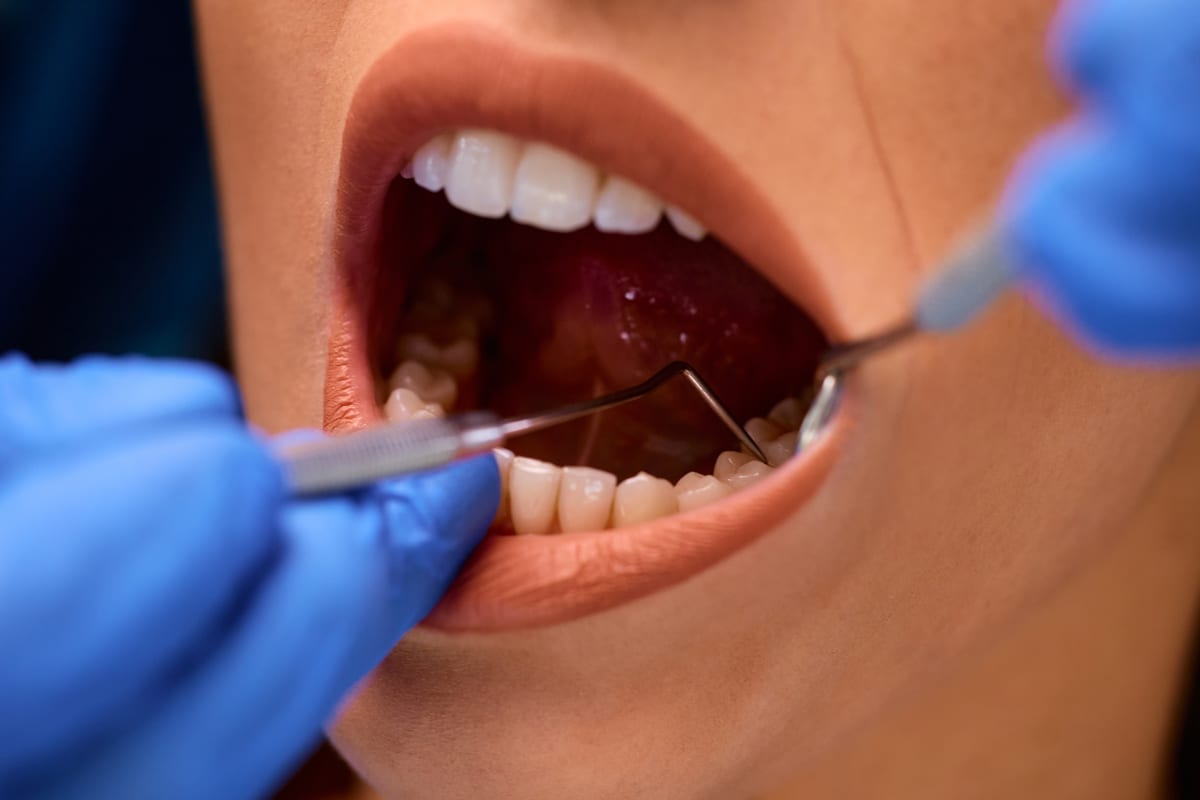
Many patients in Laurel ask the same important question: will your gum disease treatment results actually last years in Laurel, or will the problem return? It is a fair concern. Gum disease is persistent, and treatment requires more than a single visit. At Best Smiles Staples Mill, Dr. Bharath Kumar helps patients understand not just how to treat gum disease — but how to keep results lasting for years.
The honest answer is that longevity depends on several factors. Your biology, your habits, and your commitment to follow-up care all play a role. Understanding these factors gives you a real advantage in protecting your smile long-term.
What Gum Disease Treatment Actually Does to Your Gums
Gum disease, also called periodontal disease, attacks the tissue and bone supporting your teeth. Treatment does not simply mask the problem — it actively removes infection and stabilizes the gum environment. Common treatments include scaling and root planing, antibiotic therapy, and in advanced cases, surgical intervention.
Scaling and root planing removes hardened plaque below the gumline. It smooths the root surfaces so bacteria have fewer places to hide. This gives your gum tissue a clean foundation to reattach and heal. Results can be significant and measurable within weeks.
However, treatment does not make you immune to gum disease returning. Bacteria naturally recolonize the mouth. Without ongoing care, pockets can deepen again. That is why understanding the full picture of longevity matters so much.
How Long Can Gum Disease Treatment Results Last in Laurel
For patients who commit to proper maintenance, gum disease treatment results can last many years — sometimes indefinitely. Studies show that patients who follow a strict periodontal maintenance schedule have far lower rates of disease recurrence. The treatment itself is highly effective when paired with consistent aftercare.
Several key factors determine how long your results will last:
- Consistent periodontal maintenance visits — typically every three to four months
- Daily brushing and flossing — removing plaque before it hardens
- Avoiding tobacco products — smoking severely impairs gum healing
- Managing systemic health conditions — diabetes and heart disease affect gum tissue
- Prompt attention to any returning symptoms — bleeding, swelling, or sensitivity
Patients who skip maintenance appointments are significantly more likely to see disease return within one to two years. Staying on schedule is the single most important factor in long-term success.
What Shortens the Lifespan of Your Gum Treatment Results
Certain habits and conditions can accelerate gum disease recurrence. Tobacco use is one of the most damaging. Smoking reduces blood flow to gum tissue, slowing healing and allowing bacteria to thrive. Even vaping has been linked to increased gum inflammation.
Poor oral hygiene at home also undoes professional treatment quickly. Brushing only once a day or skipping flossing allows plaque to rebuild along the gumline. Within days, soft plaque begins hardening into tartar — which only a dental professional can remove.
Stress is another underappreciated factor. High stress weakens the immune system. This makes it harder for your body to fight the bacteria responsible for gum disease. Patients experiencing significant life stress should be especially vigilant about their oral care routine.
Certain medications can also cause dry mouth or gum overgrowth. These side effects can create conditions where bacteria multiply more easily. Always let Dr. Bharath Kumar know about any new medications you are taking.
Building a Maintenance Plan That Extends Your Results
A strong maintenance plan is the backbone of lasting gum disease treatment results. At Best Smiles Staples Mill, Dr. Bharath Kumar creates personalized periodontal maintenance schedules for every patient. These visits go beyond a standard cleaning — they monitor pocket depth, check for inflammation, and remove buildup in areas that brushing cannot reach.
Periodontal maintenance visits typically include:
- Measuring gum pocket depths to track any changes
- Removing plaque and tartar from above and below the gumline
- Polishing tooth surfaces to slow future plaque buildup
- Reviewing your home care technique and recommending improvements
- Noting any new risk factors that may affect your results
These visits are different from a routine cleaning. They are more detailed and more focused on disease management. Patients often find that committing to this schedule gives them confidence and peace of mind about their oral health.
Integrating your periodontal care with Family Dentistry services ensures your entire oral health picture is monitored together. This whole-mouth approach catches problems early before they become complicated. Coordination between services leads to better outcomes overall.
Pairing your periodontal maintenance with Preventive Dentistry strategies strengthens your long-term defense even further. Prevention and treatment work together, not in isolation. Patients who embrace both see the most durable results over time.
Signs Your Gum Health Is Staying on Track
Knowing what healthy gums look like helps you monitor your own progress between visits. Healthy gum tissue is firm, pink, and does not bleed during normal brushing or flossing. Some mild sensitivity after treatment is normal, but it should improve steadily over weeks.
Warning signs that results may be slipping include:
- Gums that bleed regularly when you brush or floss
- Persistent bad breath that does not improve with brushing
- Gum tissue that looks red, puffy, or pulls away from teeth
- Teeth that feel loose or have shifted position
- Increased sensitivity to hot or cold temperatures
If you notice any of these signs between scheduled visits, contact Best Smiles Staples Mill promptly. Early intervention prevents minor setbacks from becoming major problems. Catching changes early is always easier and less invasive than treating advanced disease.
Conclusion: Lasting Results Require Lasting Commitment
Will your gum disease treatment results actually last years in Laurel? Yes — but longevity is a partnership. Dr. Bharath Kumar provides the clinical expertise. You provide the daily home care and the commitment to keeping scheduled visits. Together, these efforts create results that truly stand the test of time. Book Now to schedule your appointment with our team.
Frequently Asked Questions
How soon after gum disease treatment will I see results?
Most patients notice improvement within two to four weeks of completing scaling and root planing. Gum tissue becomes less inflamed, bleeding during brushing decreases, and sensitivity often reduces. Full healing and reattachment can take up to three months. Your dentist will evaluate your progress at your follow-up visit.
Do I need to come in more often after gum disease treatment?
Yes. Most patients move from twice-yearly cleanings to periodontal maintenance visits every three to four months. This more frequent schedule allows your dental team to monitor pocket depths and remove bacteria before disease can return. Over time, some patients may return to less frequent visits if their condition stabilizes.
Can gum disease come back even after successful treatment?
Yes, gum disease can return if maintenance is not kept up. Bacteria naturally recolonize the mouth, and without regular professional cleanings and strong home care, plaque builds up again. Patients who smoke, have diabetes, or skip maintenance visits face a higher risk of recurrence. Consistent follow-up is the best defense.
Is gum disease treatment painful, and how long is recovery?
Scaling and root planing is performed with local anesthesia, so discomfort during the procedure is minimal. Afterward, patients may experience some soreness and sensitivity for a few days. Over-the-counter pain relievers and a soft diet usually manage this well. Most patients return to normal activities the same day.
What is the difference between a regular cleaning and periodontal maintenance?
A regular prophylaxis cleaning focuses on removing surface plaque and tartar from patients without active gum disease. Periodontal maintenance goes deeper — cleaning below the gumline, measuring pocket depths, and assessing tissue health. It is a more thorough procedure designed specifically to prevent the recurrence of periodontal disease in treated patients.
