$99 Limited Emergencies Exam | For uninsured new patients only

Invisalign vs. Braces: Which Actually Works Better for Adults
Published on September 28, 2026
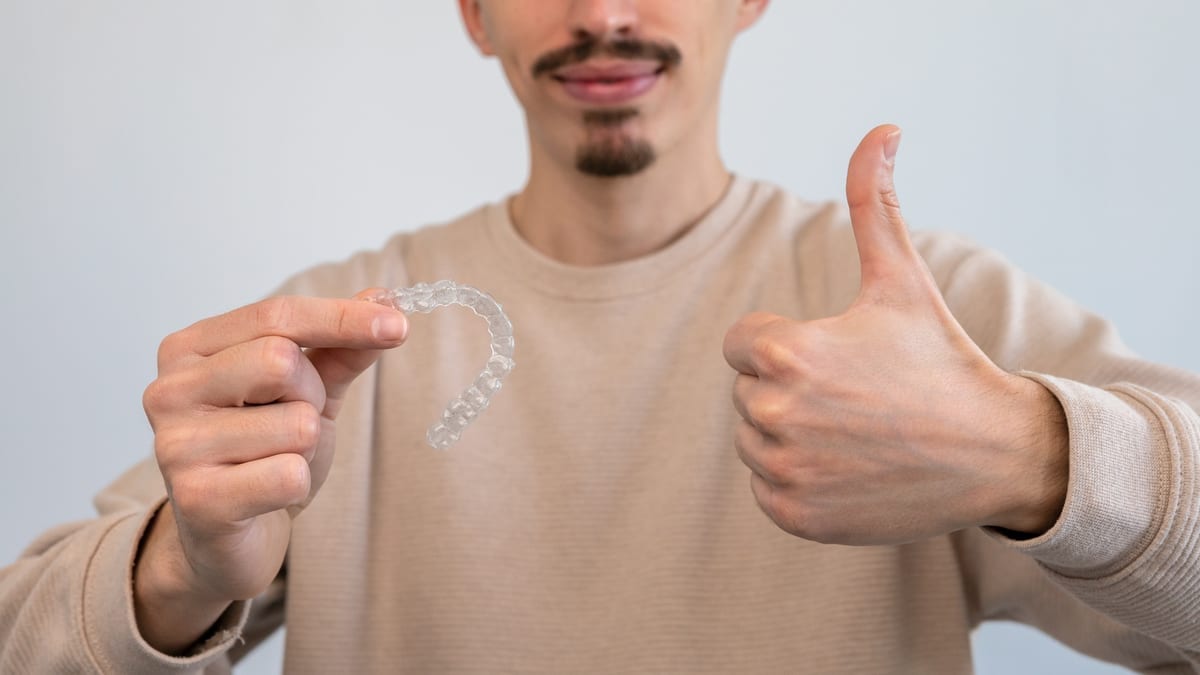
If you are an adult thinking about straightening your teeth, you have probably already asked yourself this question. Invisalign vs. braces — which actually works better for adults in Henrico? The answer is not one-size-fits-all. Both options can deliver great results, but they work differently and suit different lifestyles. This guide breaks down what actually matters so you can make a confident, informed decision.
Invisalign vs. Braces: Understanding the Core Differences
Traditional braces use metal brackets and wires bonded to your teeth. They apply constant, controlled pressure to shift teeth into alignment. Invisalign uses a series of clear, removable plastic aligners. Each aligner set gradually moves your teeth toward the desired position.
Both systems work on the same biological principle — applying force to guide tooth movement. The difference lies in how that force is delivered. Braces stay fixed on your teeth throughout treatment. Aligners are worn 20 to 22 hours per day and swapped every one to two weeks.
For many adults in Henrico comparing these two options, the visible difference alone is a major deciding factor. Clear aligners are nearly invisible. Metal brackets are not. That distinction matters a great deal to working professionals and adults who interact with clients or the public regularly.
Comfort and Daily Life: Which Option Is Easier to Live With?
Comfort is one of the most common concerns adults raise when comparing these two treatments. Braces can cause irritation to the inside of your cheeks and lips. The wires and brackets create friction against soft tissue, especially after adjustments. Over-the-counter wax can help, but soreness after appointments is common.
Invisalign aligners are smooth plastic with no sharp edges. Most patients report mild pressure when switching to a new aligner set. That discomfort typically fades within a day or two. Many adults find this more manageable than the recurring adjustment soreness from braces.
Eating is another area where the two options differ significantly. With braces, you must avoid hard, sticky, or crunchy foods throughout treatment. With Invisalign, you simply remove the aligners before eating. You can enjoy any food without restriction — a significant lifestyle advantage for many adults.
- Braces require avoiding hard foods like nuts, popcorn, and raw carrots
- Invisalign allows you to eat anything — just remove aligners first
- Brushing and flossing are easier with Invisalign since aligners come out
- Braces require special flossing tools to clean around brackets and wires
- Both options may cause initial speech adjustment, usually resolving within days
Treatment Scope: What Each Option Can Actually Fix
This is where many adults in Henrico get surprised. Invisalign has advanced significantly over the past decade. It can now treat a wide range of alignment issues that once required braces. This includes mild to moderate crowding, spacing problems, and certain bite corrections.
However, braces still hold an edge for complex cases. Severe overcrowding, significant overbites, underbites, and jaw-related issues often respond better to traditional orthodontic treatment. Your dentist or orthodontist will evaluate your specific situation before recommending either option.
One important factor is compliance. Invisalign only works if you wear the aligners consistently. Adults who forget to put them back in after meals or who remove them too often will see slower or incomplete results. Braces work passively — they are always on, always moving your teeth.
- Invisalign works well for mild to moderate spacing and crowding
- Braces are often preferred for complex bite issues and severe misalignment
- Invisalign requires strict compliance — 20 to 22 hours of daily wear
- Both treatments typically take 12 to 24 months for most adults
- Virtual monitoring options are available with some Invisalign providers
Cost Comparison: Is One Option More Affordable Than the Other?
Cost is a practical concern for most adults weighing Invisalign vs. braces. In Henrico, treatment costs vary based on the complexity of your case and the provider you choose. Generally speaking, traditional braces tend to be slightly less expensive than Invisalign. The difference is often in the range of a few hundred to a couple thousand dollars.
That said, cost should not be the only factor. Consider the full picture — time off work for appointments, dietary restrictions, and how each option fits your lifestyle. Some adults find the convenience and comfort of Invisalign worth the additional investment. Others prefer the lower upfront cost of braces, especially for more complex cases.
Both options represent a significant commitment of time and money. Ask your dental provider for a detailed breakdown of what your specific case would involve before making a final decision based on cost alone.
Invisalign vs. Braces for Adults in Henrico: Which Should You Choose?
There is no universal winner in this comparison. The right choice depends on your specific dental needs, your lifestyle, and your personal priorities. Adults who value discretion, flexibility, and comfort often prefer Invisalign. Adults with complex alignment issues or those who worry about compliance may do better with braces.
At Best Smiles Staples Mill, Dr. Bharath Kumar takes time to evaluate each patient’s unique situation. Whether you are exploring orthodontic options as part of a broader smile transformation or simply want to finally address crowding you have lived with for years, the goal is the same — a healthier, more confident smile.
Orthodontic treatment is just one part of comprehensive Cosmetic Dentistry Henrico patients have access to. From teeth whitening to veneers and more, there are multiple ways to enhance your smile beyond alignment alone. You can also explore additional Cosmetic Dentistry Henrico services offered across our locations to find the right combination of treatments for your goals.
The best next step is a consultation. A qualified dental professional can assess your bite, your goals, and your timeline. You will leave with a clear recommendation grounded in your actual needs — not a one-size-fits-all answer. Book Now to schedule your appointment with our team.
Frequently Asked Questions
Is Invisalign as effective as braces for adults?
For mild to moderate alignment issues, Invisalign can be just as effective as traditional braces. However, braces may be more appropriate for complex cases involving significant bite problems or severe crowding. A dental evaluation will help determine which option suits your specific needs.
How long does Invisalign treatment take for adults?
Most adult Invisalign cases take between 12 and 24 months, depending on the complexity of the alignment issue. Simple cases may resolve faster. Your provider will give you a personalized timeline estimate during your initial consultation.
Can adults get braces if they had them as a teenager?
Yes, adults can absolutely get braces — or Invisalign — even if they had orthodontic treatment in the past. Teeth can shift over time, especially without consistent retainer use. Many adults in Henrico seek retreatment for this very reason.
Does Invisalign hurt more than braces?
Neither option is completely painless, but most patients report different types of discomfort. Braces often cause irritation from brackets and wires, especially after adjustments. Invisalign typically causes mild pressure for a day or two when switching to a new aligner tray. Most adults find both manageable.
Can I get teeth whitening while wearing Invisalign?
In many cases, yes. Some patients use whitening gel in their Invisalign trays as part of their treatment. Talk to Dr. Bharath Kumar at Best Smiles Staples Mill about the right approach and timing so that whitening complements your alignment treatment effectively.
