$99 Limited Emergencies Exam | For uninsured new patients only

Why Tooth Enamel Wears Away and How to Remineralize Teeth Properly
Published on March 25, 2026
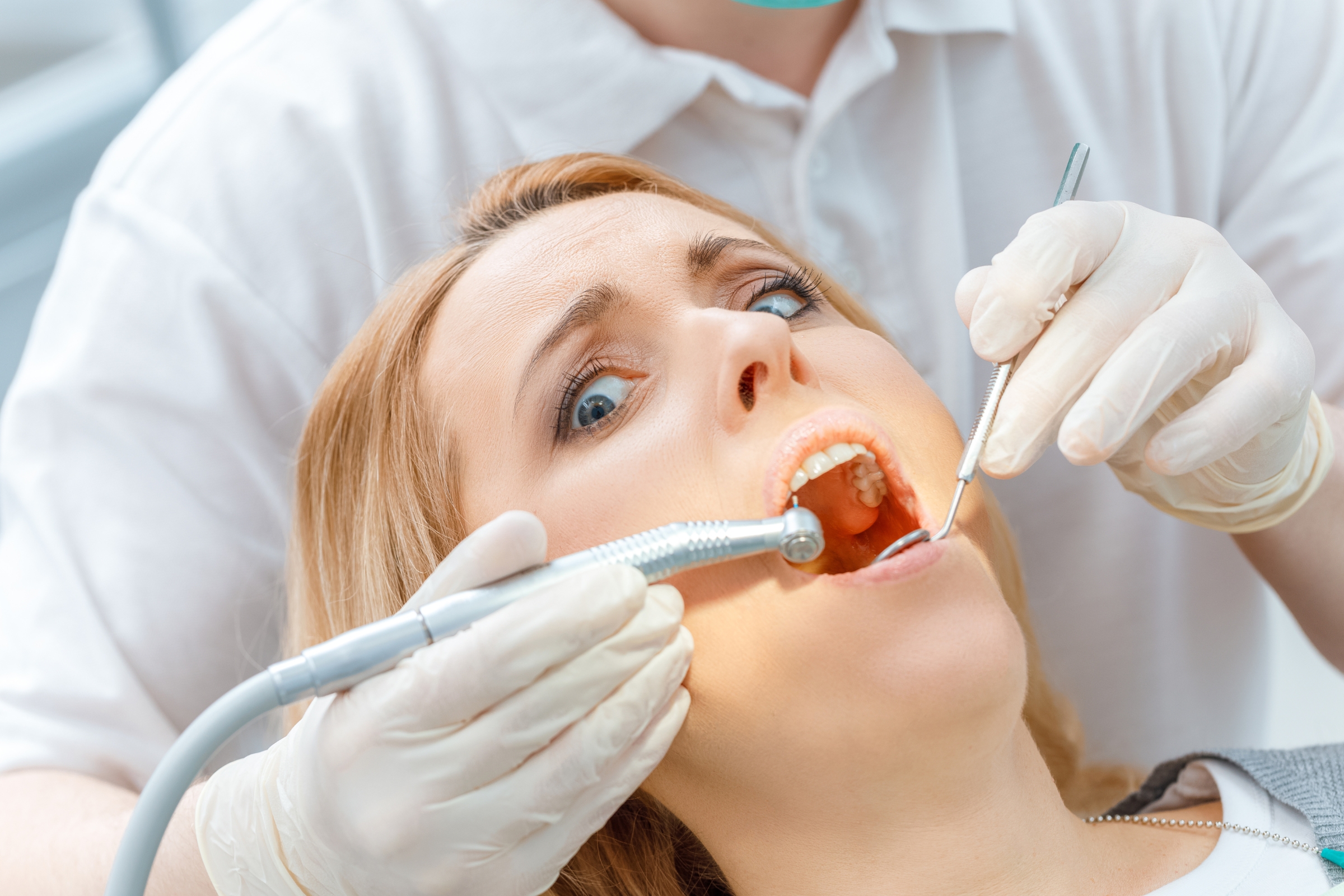
Tooth enamel is like the quiet guardian of your smile. It protects, strengthens, and stands firm against daily wear. But like all things in nature, it can weaken over time if not cared for properly. When enamel begins to wear away, the effects can ripple through your oral health—causing sensitivity, discoloration, and even decay.
Understanding why this happens—and how to gently restore balance—can help you protect your smile for years to come.
What Is Tooth Enamel and Why Does It Matter?
Enamel is the hard, outer layer of your teeth. It’s the strongest substance in your body, yet it isn’t invincible. Unlike other parts of your body, enamel doesn’t regenerate on its own once it’s lost.
That’s why protecting it is essential—not just for appearance, but for long-term oral health and comfort.
After the first signs of enamel wear, many patients visiting a Dentist Chester clinic often notice sensitivity or a dull appearance in their teeth. These early signals shouldn’t be ignored.
Common Reasons Tooth Enamel Wears Away
Just like a river slowly shaping stone, daily habits and conditions can gradually wear down enamel.
1. Acidic Foods and Drinks
Frequent consumption of:
- Soda and energy drinks
- Citrus fruits
- Vinegar-based foods
These can soften enamel over time, making it easier to erode.
2. Poor Oral Hygiene Habits
Skipping brushing or flossing allows plaque and acids to build up, which weakens enamel.
3. Teeth Grinding (Bruxism)
Grinding your teeth—often during sleep—creates friction that wears enamel down steadily.
4. Dry Mouth
Saliva helps neutralize acids and repair early enamel damage. A lack of it can accelerate enamel loss.
5. Overbrushing or Hard Brushing
Brushing too aggressively or using a hard-bristled toothbrush can damage enamel rather than protect it.
6. Acid Reflux or Medical Conditions
Conditions that bring stomach acid into the mouth can significantly weaken enamel.
Signs Your Enamel May Be Wearing Down
Your body often gives quiet signals before problems grow. Watch for:
- Increased tooth sensitivity (hot, cold, sweet)
- Yellowing teeth (as dentin becomes visible)
- Rough or uneven tooth edges
- Small cracks or chips
- Frequent cavities
If you notice these, it’s wise to consult a Chester Dentist early before the damage progresses.
Can Tooth Enamel Be Restored?
While enamel cannot grow back once it’s fully lost, it can be strengthened and remineralized in its early stages. This process helps rebuild minerals and reinforce the structure of your teeth.
Think of it as restoring balance—giving your teeth what they need to heal and protect themselves.
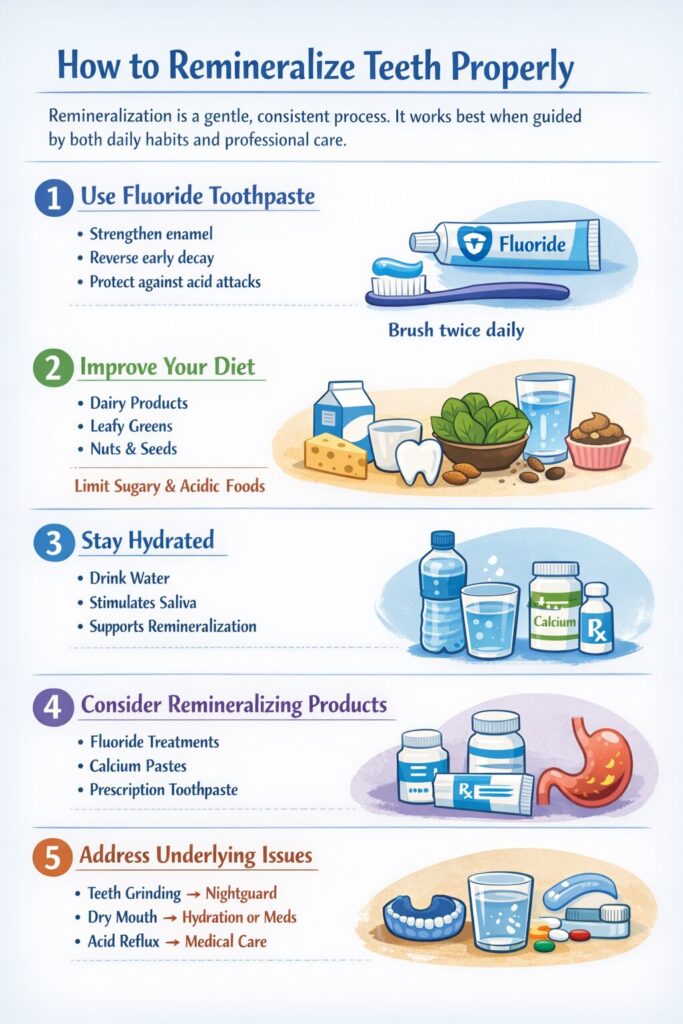
How to Remineralize Teeth Properly
Remineralization is a gentle, consistent process. It works best when guided by both daily habits and professional care.
1. Use Fluoride Toothpaste
Fluoride helps:
- Strengthen enamel
- Reverse early decay
- Protect against acid attacks
Brush twice daily using a soft-bristled toothbrush.
2. Improve Your Diet
Focus on foods rich in minerals:
- Dairy products (calcium and phosphate)
- Leafy greens
- Nuts and seeds
Limit sugary and acidic foods that strip enamel.
3. Stay Hydrated
Drinking water:
- Washes away acids
- Stimulates saliva production
- Supports natural remineralization
4. Consider Remineralizing Products
Your dentist may recommend:
- Fluoride treatments
- Calcium phosphate pastes
- Prescription-strength toothpaste
These provide targeted support where your teeth need it most.
5. Address Underlying Issues
If enamel loss is linked to:
- Teeth grinding → consider a nightguard
- Dry mouth → evaluate medications or hydration
- Acid reflux → seek medical care
Treating the root cause is essential for long-term protection.
Local Lifestyle Tips for Chester Residents
Living in Chester, VA, your daily routines and environment can influence your oral health more than you might think.
- Stay mindful of sweet tea and sodas—popular but acidic
- Choose water over sports drinks, especially after outdoor activities
- Schedule regular checkups, even if your teeth feel fine
- Protect your teeth during sports with custom mouthguards
Seasonal allergies in the area can also contribute to dry mouth, which may increase enamel risk—so hydration is key.
When Should You See a Dentist?
It’s best not to wait until discomfort becomes pain. Early care can prevent more serious issues.
Visit your dentist if you notice:
- Persistent sensitivity
- Visible enamel wear
- Frequent cavities
- Pain when eating or drinking
A trusted dental professional can assess your enamel health and guide you toward the right treatment plan.
Common Questions Patients Ask
Is enamel loss permanent?
Yes, once enamel is fully gone, it cannot regenerate. However, early damage can be repaired through remineralization.
How long does remineralization take?
It varies depending on the condition of your teeth and your habits, but improvements can begin within a few weeks of consistent care.
Are natural remedies enough?
While diet and hydration help, professional treatments often provide stronger and faster results.
Can sensitive teeth improve?
Yes, with proper care and enamel strengthening, sensitivity can be reduced significantly.
A Thoughtful Path Forward
Caring for your enamel is not about quick fixes—it’s about steady, mindful habits. Like tending to a garden, your daily actions shape the health of your smile over time.
If you’re noticing early signs of enamel wear or simply want to protect your teeth for the future, the team at Best Smiles Chester is here to guide you with compassionate, personalized care.
Book your appointment today and take the next step toward a stronger, healthier smile.
