$99 Limited Emergencies Exam | For uninsured new patients only

Why Untreated Sleep Apnea Costs You More Than Better Rest
Published on October 26, 2026
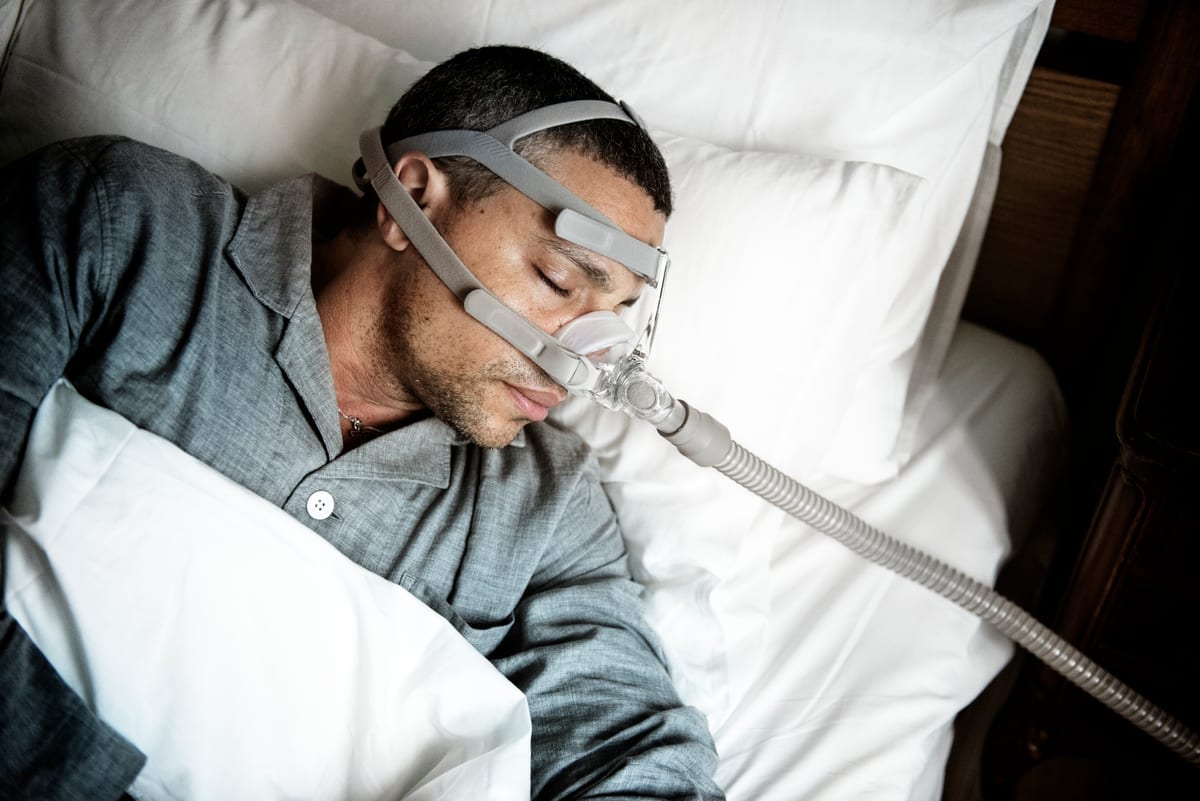
Many Glen Allen residents assume sleep apnea is just a snoring problem. But why untreated sleep apnea costs you more than better rest in Glen Allen goes far beyond a few restless nights. This condition affects your heart, brain, teeth, and daily quality of life. At Best Smiles Staples Mill, Dr. Bharath Kumar wants every patient to understand what is truly at stake.
What Sleep Apnea Actually Does to Your Body
Sleep apnea causes your breathing to stop repeatedly during sleep. Each pause can last seconds or even longer. Your brain then jolts you awake to restart breathing. This cycle disrupts your deepest, most restorative sleep stages.
Over time, these interruptions take a serious toll. Your body never fully recovers overnight. You wake feeling exhausted despite spending hours in bed. That chronic fatigue is just the beginning of a much larger problem.
Research consistently links untreated sleep apnea to serious health conditions. These include high blood pressure, heart disease, and stroke risk. Type 2 diabetes outcomes also worsen with poor sleep quality. Your immune system weakens when your body cannot repair itself at night.
How Untreated Sleep Apnea Affects Your Oral Health in Glen Allen
Most people do not connect sleep apnea to their dental health. However, the link is very real and very direct. Patients who breathe through their mouths during sleep dry out oral tissues quickly. Dry mouth creates the perfect environment for harmful bacteria to thrive.
This bacteria buildup accelerates tooth decay and gum disease. Gum disease, if left untreated, can lead to tooth loss. It also creates inflammation that spreads beyond your mouth. That systemic inflammation worsens cardiovascular and metabolic conditions already linked to sleep apnea.
Sleep apnea also causes significant teeth grinding, known as bruxism. Grinding wears down enamel and cracks teeth over time. Patients often need dental crowns or other restorations as a result. Addressing sleep apnea early can protect your smile and reduce future dental costs.
The Hidden Financial and Social Costs of Waiting
Delaying treatment rarely saves money in the long run. Untreated sleep apnea creates compounding medical and dental expenses. Emergency visits, specialist referrals, and restorative dental work all add up. Prevention is almost always less costly than late-stage treatment.
The social costs are equally significant. Chronic exhaustion affects your performance at work and at home. Relationships suffer when one partner’s snoring disrupts shared sleep. Many patients report increased anxiety, depression, and difficulty concentrating over time.
- Increased risk of workplace accidents due to chronic fatigue
- Higher likelihood of cardiovascular events requiring intensive care
- Progressive tooth and gum damage requiring complex dental work
- Reduced productivity and cognitive function at work
- Strain on personal relationships from sleep disruption
Each of these outcomes carries real emotional and financial weight. None of them improve on their own without intervention. The longer sleep apnea goes untreated, the harder and more expensive it becomes to reverse its effects.
What a Dental Professional Can Do to Help
Many patients are surprised to learn dentists play a key role in sleep apnea care. Dr. Bharath Kumar and the team at Best Smiles Staples Mill screen patients for signs of sleep-disordered breathing. Worn teeth, jaw tension, and dry mouth are all visible clues during a routine exam. Early detection creates more treatment options and better outcomes.
Dental oral appliance therapy is a common and effective treatment approach. These custom devices reposition your jaw during sleep to keep airways open. They are comfortable, portable, and easy to maintain. Many patients find them far more tolerable than CPAP machines.
Dentists also collaborate with physicians to coordinate comprehensive care. Your oral health and overall health are deeply connected. Addressing one helps protect the other. This team-based approach gives Glen Allen patients the most complete path to recovery.
- Custom oral appliances fitted for your exact jaw structure
- Coordination with your primary care physician or sleep specialist
- Monitoring of dental damage caused by grinding or dry mouth
- Ongoing support and appliance adjustments as needed
- Education on lifestyle changes that improve airway health
Protecting More Than Your Sleep With Comprehensive Dental Care
Treating sleep apnea opens the door to broader health and wellness improvements. Patients who finally get restful sleep often pursue other aspects of their health more actively. They make better food choices, exercise more consistently, and manage stress more effectively. Good sleep is the foundation everything else is built on.
At Best Smiles Staples Mill, we also care about how you feel when you smile. Damage from untreated sleep apnea — worn enamel, gum recession, and cracked teeth — can affect your confidence. Restoring your smile after sleep apnea treatment is a meaningful next step. Our team offers a full range of options, including Cosmetic Dentistry Glen Allen services designed for patients in your area.
If you are exploring all your options for aesthetic restoration, our team also provides Cosmetic Dentistry Glen Allen solutions through our broader service network. Healthy, restored teeth after sleep apnea treatment can transform how you look and feel every day. You deserve a smile that reflects your overall health journey.
Conclusion: Do Not Let Sleep Apnea Define Your Health
Understanding why untreated sleep apnea costs you more than better rest in Glen Allen is the first step toward change. The risks span your heart, your brain, your teeth, and your daily relationships. Waiting makes every one of those outcomes harder to reverse. Dr. Bharath Kumar and the Best Smiles Staples Mill team are here to guide you with expertise and compassion.
You do not have to navigate this alone. A simple dental screening can reveal signs you may have overlooked for years. Early action protects your health, your wallet, and your quality of life. Book Now to schedule your appointment with our team.
Frequently Asked Questions
Can a dentist diagnose sleep apnea?
A dentist cannot formally diagnose sleep apnea, but they can identify warning signs during a routine exam. Worn teeth, jaw soreness, and dry mouth are common indicators. Dr. Bharath Kumar can refer you to a sleep specialist for an official diagnosis and work alongside them to coordinate your care.
What happens if sleep apnea goes untreated for years?
Long-term untreated sleep apnea significantly raises the risk of heart disease, stroke, and type 2 diabetes. It also causes progressive oral health damage, including gum disease and tooth loss from grinding. The longer it goes unaddressed, the more complex and costly the treatment becomes.
How does a dental oral appliance help with sleep apnea?
A custom dental oral appliance gently repositions your lower jaw during sleep. This keeps your airway open so breathing stays uninterrupted. It is a non-invasive option that many patients find more comfortable than a CPAP machine, and it is fitted specifically to your mouth for maximum effectiveness.
Is teeth grinding always related to sleep apnea?
Not always, but there is a strong and well-documented connection between the two. Many sleep apnea patients grind their teeth as their body responds to airway obstruction. If Dr. Bharath Kumar notices significant enamel wear during your exam, a sleep apnea screening may be recommended as a next step.
How do I know if I have sleep apnea?
Common signs include loud snoring, waking up gasping, morning headaches, and daytime fatigue that never improves with more sleep. A bed partner often notices the breathing pauses first. If these symptoms sound familiar, schedule a dental exam at Best Smiles Staples Mill so our team can assess your risk and guide you toward the right specialist.
